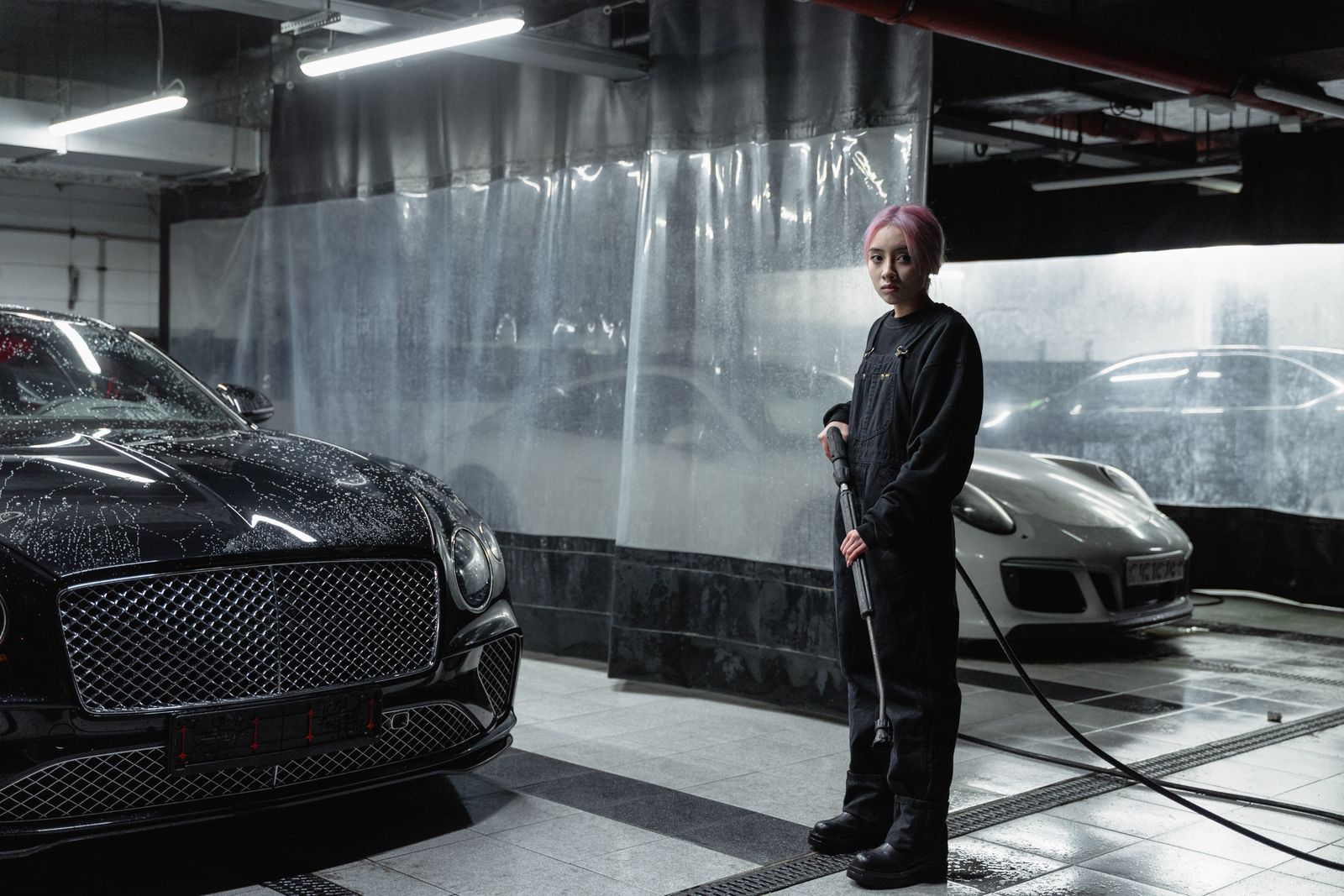
Hidden Water Traps on Cars: FAQs and Air Blower Workflows for Water-Spot-Free Finish
Hidden water traps on a car are the pockets that stay wet after the hood looks dry: door weatherstrips, side-mirror joints, badge and grille cavities, fuel doors, roof rails, spoiler lips, license-plate recesses, and arch edges. Empty them with a cordless 21V jet blower after the roof and panels. A 2.5 lb Jet Blower at 130,000 RPM is a contactless workflow for those pockets. Plan the 15-20 minute pack so traps are not the leftover job, and wear the included ear plugs.
Why a dry-looking car still spots and drips
Mineral spots form where water sits and evaporates. A trap that leaks onto a dry door an hour later is a new wet panel. That is why a careful hood wipe still fails: the water was never on the hood. It was in the jamb.
The article on water trapped in car crevices and rust is the corrosion cost. This FAQ is the map of traps and the air workflow that empties them before the car is parked in sun.
Contactless air beats stuffing a towel into a rubber channel. The towel wipes the visible jamb and leaves the channel full.
The trap map, top to bottom
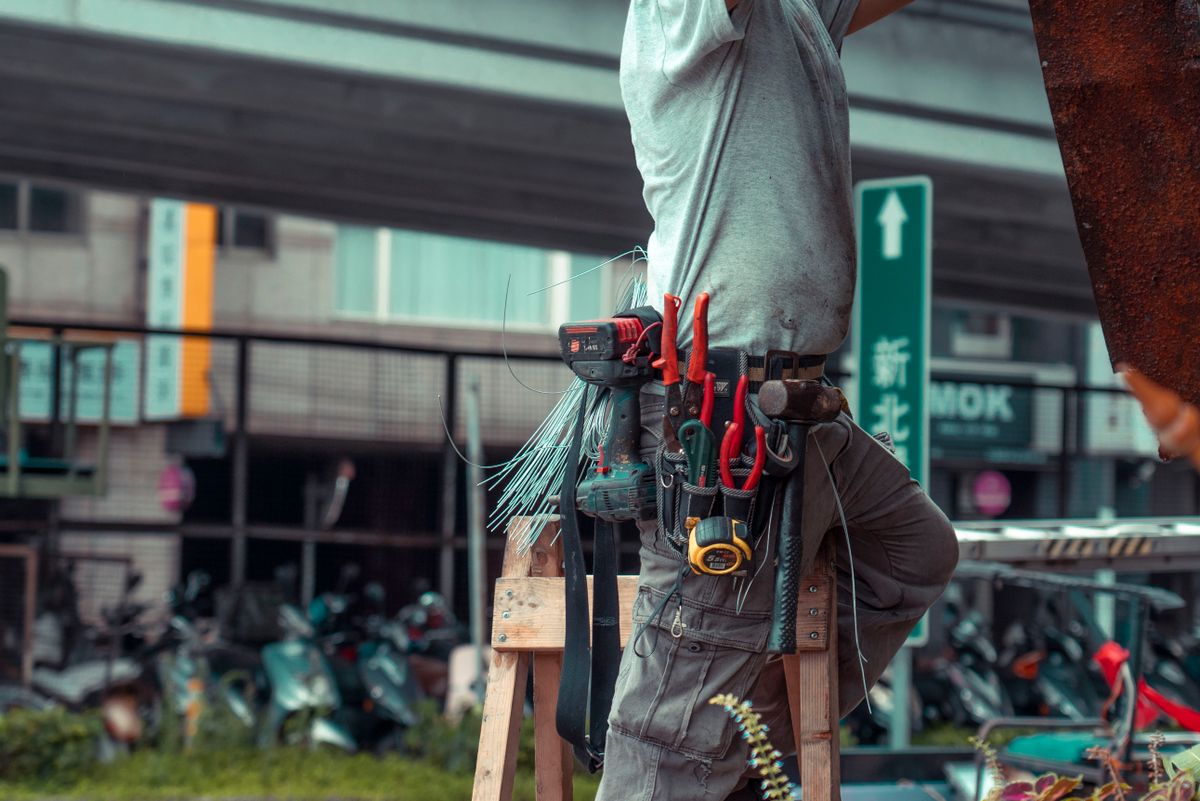
Photo by Jimmy Liao on Pexels
Roof rails and sunroof drains (do not blast drains into the cabin; sweep along the rail). Antenna bases. The top of windshield plastic cowl. Then mirrors: glass, housing joint, under-arm. Then door openings: weatherstrip from the top down, hinge pockets, latch pocket. Fuel door and filler lip. Grille and emblem pockets. Fog-light eyebrows. License-plate recess. Rear spoiler and wiper arm. Wheel-arch lips and gashes in plastic cladding.
Not every car has every trap. Every car has jambs and mirrors. Start there on every wash.
A 2.5 lb 21V body is how those angles get a nozzle without a ladder-and-yard-blower stance. Keep a standoff. 130,000 RPM will move water; jammed into a camera or parking-sensor face it is the wrong move.
Workflow that fits 15-20 minutes
Charge the pack. Sheet the rinse. Blow roof and glass. Blow vertical panels quickly. Open all doors and the fuel door. Spend the remaining minutes on the trap map. Re-close, then open each door once as a drip test.
If the pack dies on the last jamb, the panel pass was too slow or the pack started partial. Traps are not optional overtime. They are the water-spot-free finish.
Wear ear plugs at 85-95 dB. A garage with four doors open is still loud. Store the blower in the hard case so the next trap pass does not start with case grit.
Trap, failure, and air move
| Trap | If skipped | Air move | | --- | --- | --- | | Door weatherstrip | Sill drip, rust risk | Top-down channel blow, door open | | Mirror under-arm | Shirt drip, door spots | Glass, joint, then underside | | Fuel door pocket | Late drip on quarter panel | Open, blow, close | | Badge / grille pocket | Spots around the emblem | Standoff stream, not a jammed tip | | Plate recess / spoiler | Trunk drips in sun | Along the slot, then the face |
Hidden-trap drying checklist
Photo by Thijs van der Weide on Pexels
- [ ] Charge the 21V pack; wear ear plugs.
- [ ] Blow roof and glass before opening doors.
- [ ] Open every door and the fuel door.
- [ ] Empty weatherstrips, hinges, latches, mirrors.
- [ ] Hit badges, grille, plate recess, spoiler, arches.
- [ ] Re-open doors once; re-blow any run.
Frequently asked questions
What are the most common hidden water traps on cars?
Door weatherstrips, side-mirror joints, fuel doors, badge pockets, roof rails, plate recesses, and spoiler lips. Jambs and mirrors are on every vehicle.
Why do water spots appear after the car was dried?
A trap leaked onto a dry panel, or a pocket evaporated in sun. Empty traps with air before parking.
Can a towel replace a blower in jambs?
A towel can wipe the painted face. It rarely empties the rubber channel and can drag grit. Use the 21V jet blower first.
Is it safe to blow sunroof drains and sensors?
Sweep rails; do not flood a drain into the headliner. Keep a standoff from cameras and parking sensors. Contactless means distance.
How much of the 15-20 minute runtime should traps get?
Enough that they are not skipped. Fast panel pass, then open doors. Traps are the finish, not leftover seconds.
Do traps matter in winter?
Yes. Trapped water is drip, spot, and freeze in seals. The same air pass applies; work a cool, charged 21V pack.
Related reading
Jamb technique, water-spot FAQ, and spot-prevention sit next to this trap map.
- how to dry car door jambs and side mirrors
- car drying and water-spot FAQ
- complete guide to preventing water spots on a car
What to do next
On the next wash, list the traps on that specific car: jambs, mirrors, fuel door, badges, rails, plate, spoiler. Blow roof first, then empty that list with the 2.5 lb 21V jet blower before any door closes. Re-open once. The hood is not the finish; the last channel is.
Cover photo by Tima Miroshnichenko on Pexels.