The Ultimate Guide to the Best Way to Dry a Car After a Wash
Drying your vehicle correctly after a wash is the single most critical step in preserving paint quality and preventing costly surface defects. While washing removes dirt, the drying phase is where most vehicle owners accidentally damage their clear coat. Understanding the best way to dry car after wash surfaces requires evaluating friction, water quality, and tool selection.
Why Drying Strategy Matters for Paint Protection
When a vehicle dries naturally, dissolved minerals in tap water remain behind as water spots. These etching deposits eat into clear coats if left unchecked under direct sunlight. Furthermore, dragging physical tools across residual debris acts like coarse sandpaper. Establishing a safe drying routine preserves paint depth and maintains sealant integrity.
Traditional Drying Methods vs Modern Touchless Drying
For decades, vehicle owners relied on chamois cloths, bath towels, or large microfiber towels. While quality microfiber absorbs standing water effectively, friction remains an inherent risk. If a tiny piece of grit stays on the panel or in the towel fibers, wiping it across the paint produces hairline scratches known as swirl marks.
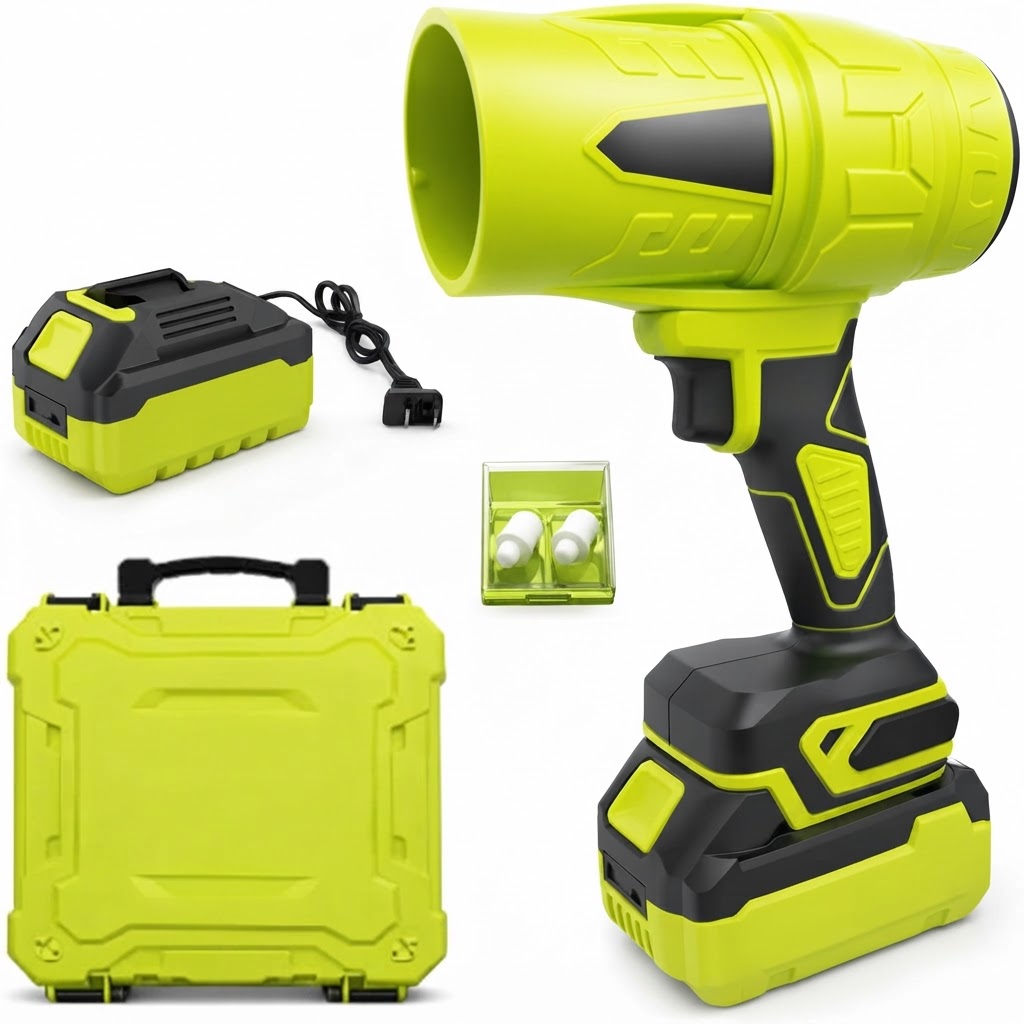
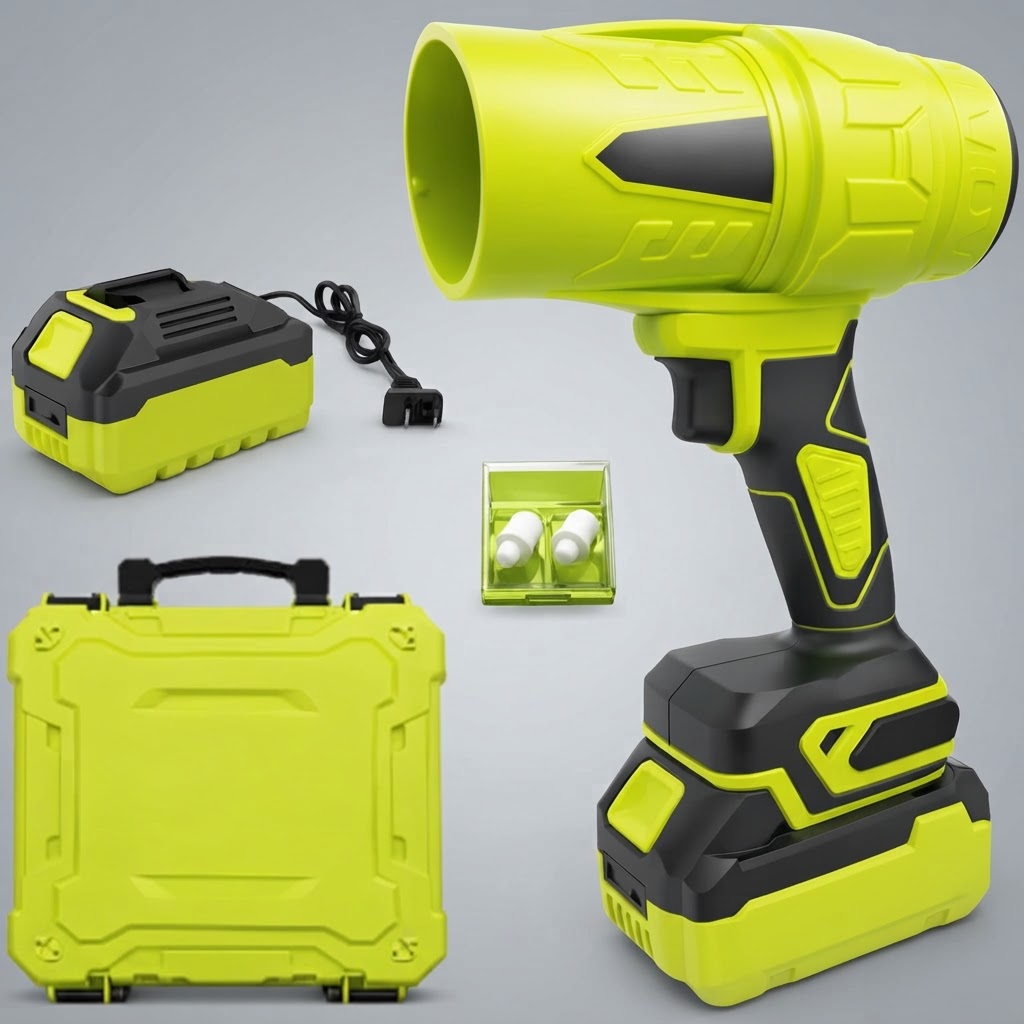
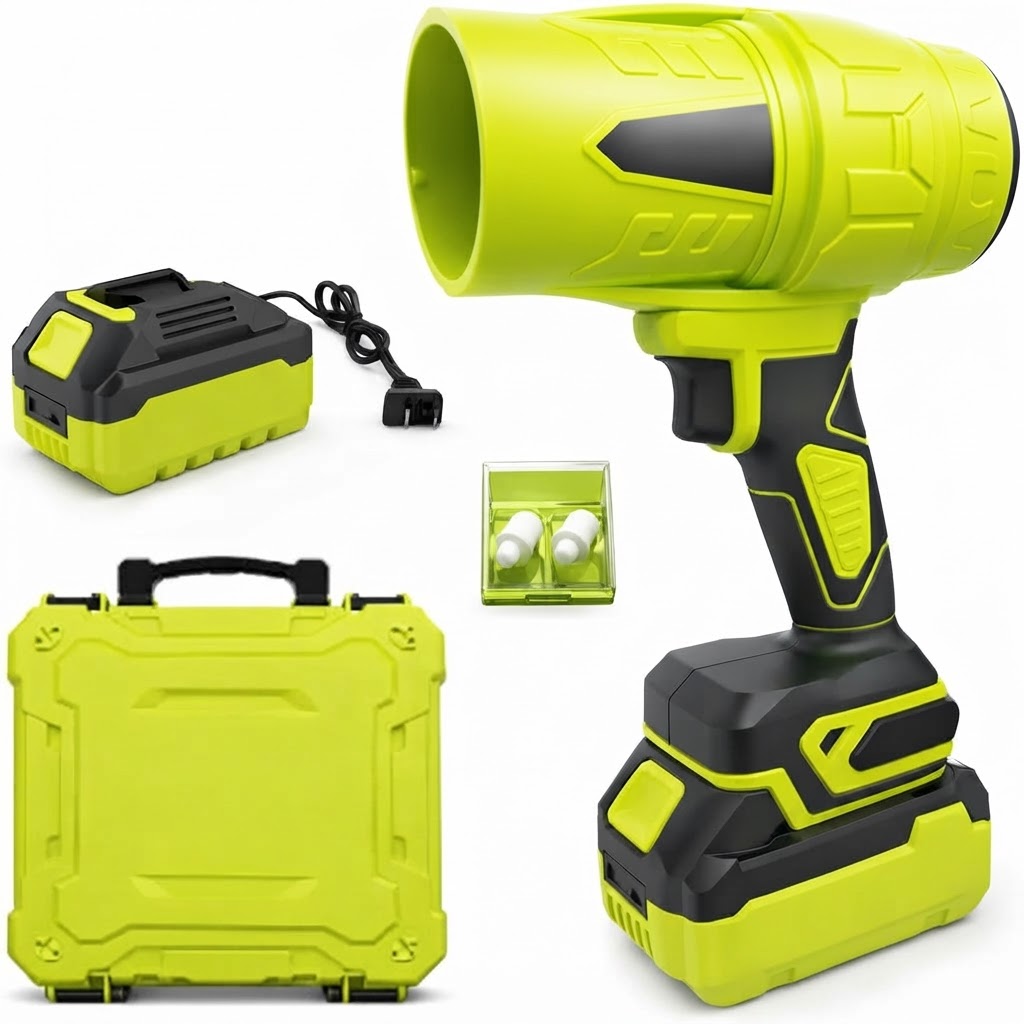
Modern auto detailing has shifted toward contactless drying using high-velocity airflow. By utilizing forced air, water drops are blasted off clear coat panels without physical contact. The Jet Blower delivers high-velocity airflow for fast drying, eliminating touch friction entirely. Engineered with a powerful motor reaching up to 130,000 RPM, it strips standing water away in seconds.
The Science of Swirl Marks and Clear Coat Damage
Clear coat surfaces are sensitive to friction. Microscopic abrasive particles settle on paint constantly. When a drying towel compresses these particles against the clear coat, light refracts unevenly, creating circular swirl patterns visible under sunlight. Touchless air drying eliminates towel pressure, meaning debris cannot be rubbed into the surface.Essential Tools for Safe Car Drying
To achieve professional results, balance performance with tool ergonomics. A complete setup includes:- A forced-air drying unit with adequate power and battery runtime.
- Pure water rinsing solutions or ceramic hydrophobic sprays.
- Personal safety equipment, such as hearing protection during extended operation.
Step-by-Step Method for a Scratch-Free Finish
How High-Velocity Air Drying Solves Crevice Water Traps
Water trapped in rubber trim, door jambs, and light housings usually drips out later, leaving unsightly streak lines down freshly cleaned paint. Forced air blows water completely out of concealed pockets. Beyond car detailing, high-velocity blowers excel at clearing dust from garage floors, outdoor furniture, keyboards, and engine bays, making them multi-use maintenance tools.
Related in this cluster
- 5 Common Car Drying Mistakes That Cause Swirl Marks
- How to Safely Touchless Dry Your Car in 5 Minutes
- Air Blower vs Microfiber Towel: Which Is Best for Car Drying?
- Car Drying Blowers FAQ: Answers on Water Spots, Noise, and Safety
- Understanding Contactless Car Drying: How Airflow Prevents Swirls
- Why Water Trapped in Car Crevices Causes Rust (And How to Fix It)