Understanding Contactless Car Drying: How Airflow Prevents Swirls
Contactless drying relies on fluid dynamics rather than absorbent materials. Understanding how air displacement removes water helps car owners achieve better paint care results.
The Physics of Water Adhesion and Surface Tension
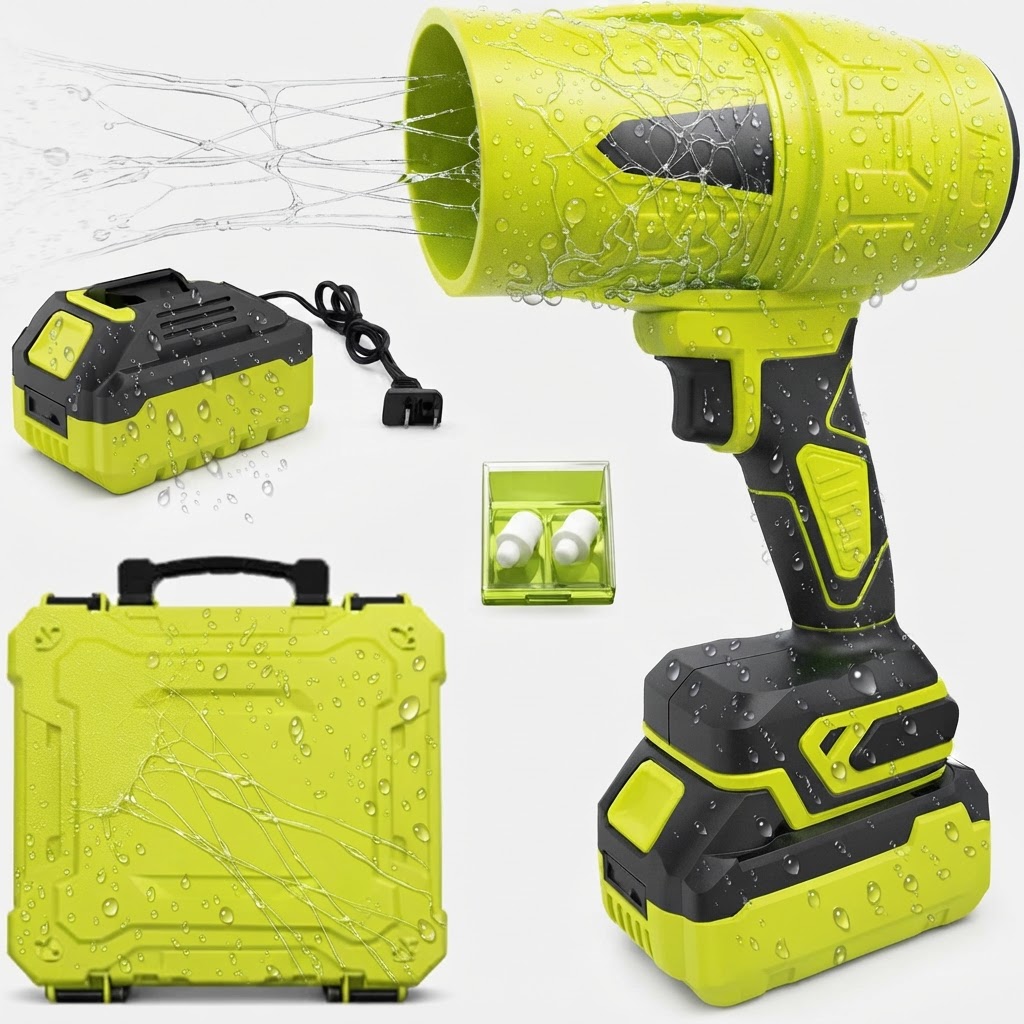
Water molecules cling to automotive paint through surface tension. Hydrophobic coatings or waxes weaken this bond, forming round water beads. Traditional drying drags towels over these beads, flattening them and pressing surface contamination against the paint.
How High RPM Air Displacement Strips Water
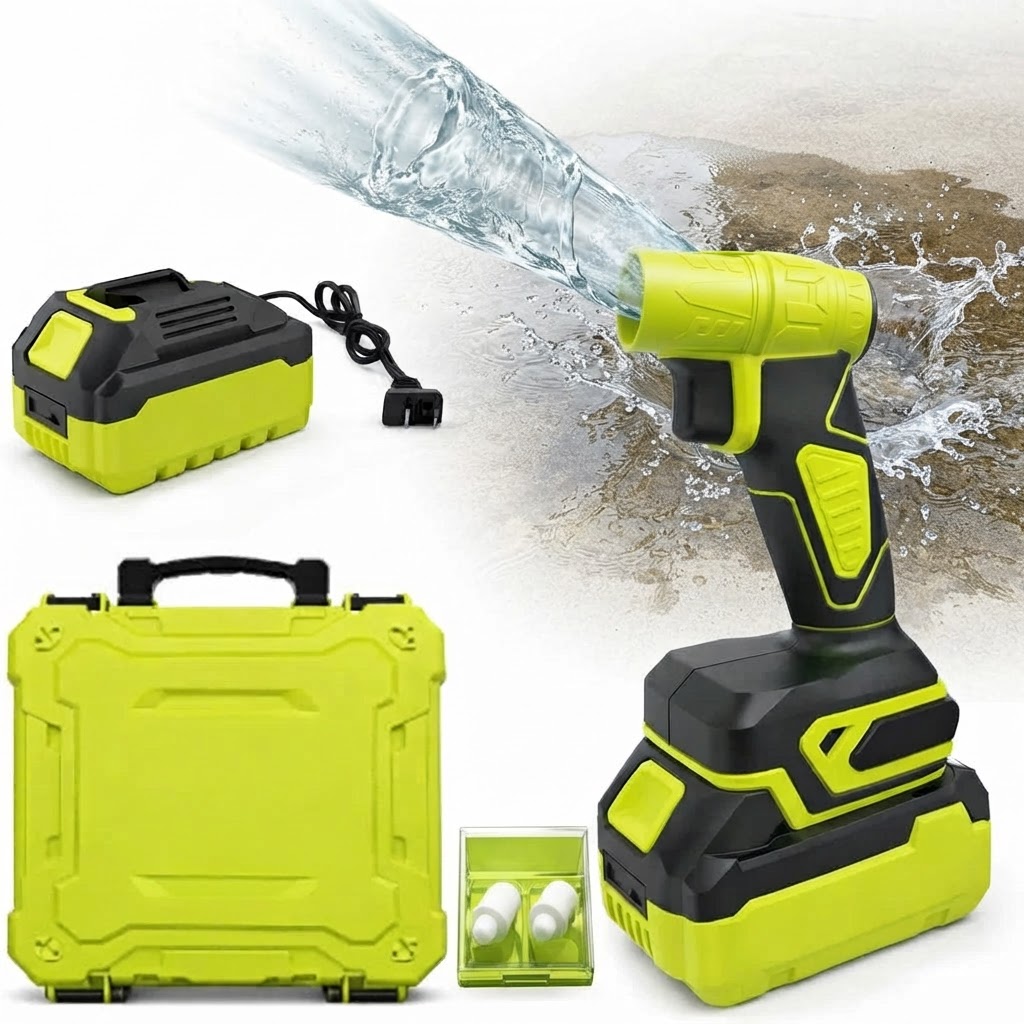
When high-velocity forced air hits a water bead, kinetic energy overcomes surface adhesion. The droplet slides off intact without breaking or smearing across clear coat pores.
Preventing Friction-Induced Clear Coat Defects
Eliminating physical contact means zero possibility of dragging dirt particles. Contactless drying to prevent scratches remains the safest approach for sensitive automotive paints. For a complete look at car care strategy, visit the main guide.Incorporating Forced Air into Your Detailing Routine
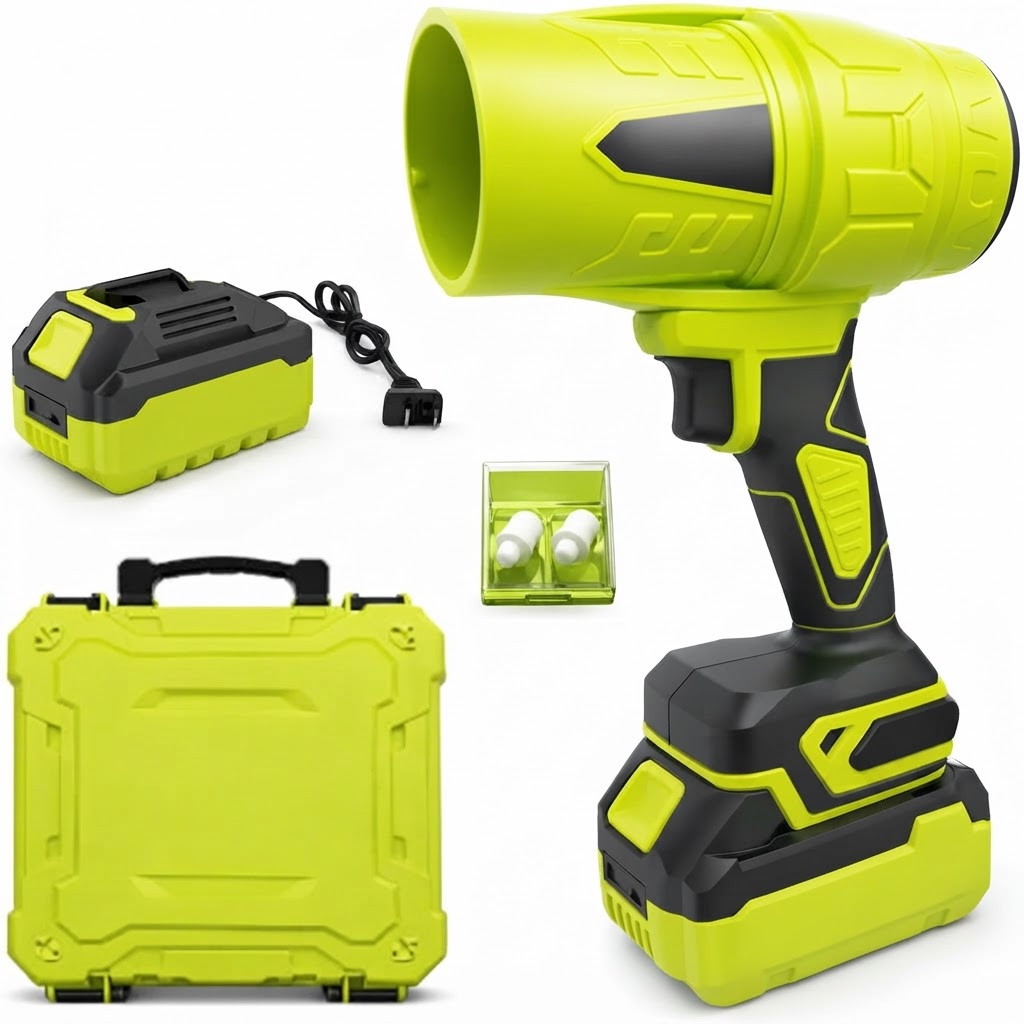
The Jet Blower generates up to 130,000 RPM forced air from a compact 2.5 lbs frame, rendering high-velocity air drying easy, fast, and portable ready to use out of the box.Read the full guide: The Ultimate Guide to the Best Way to Dry a Car After a Wash
cluster-generatorclustermofu