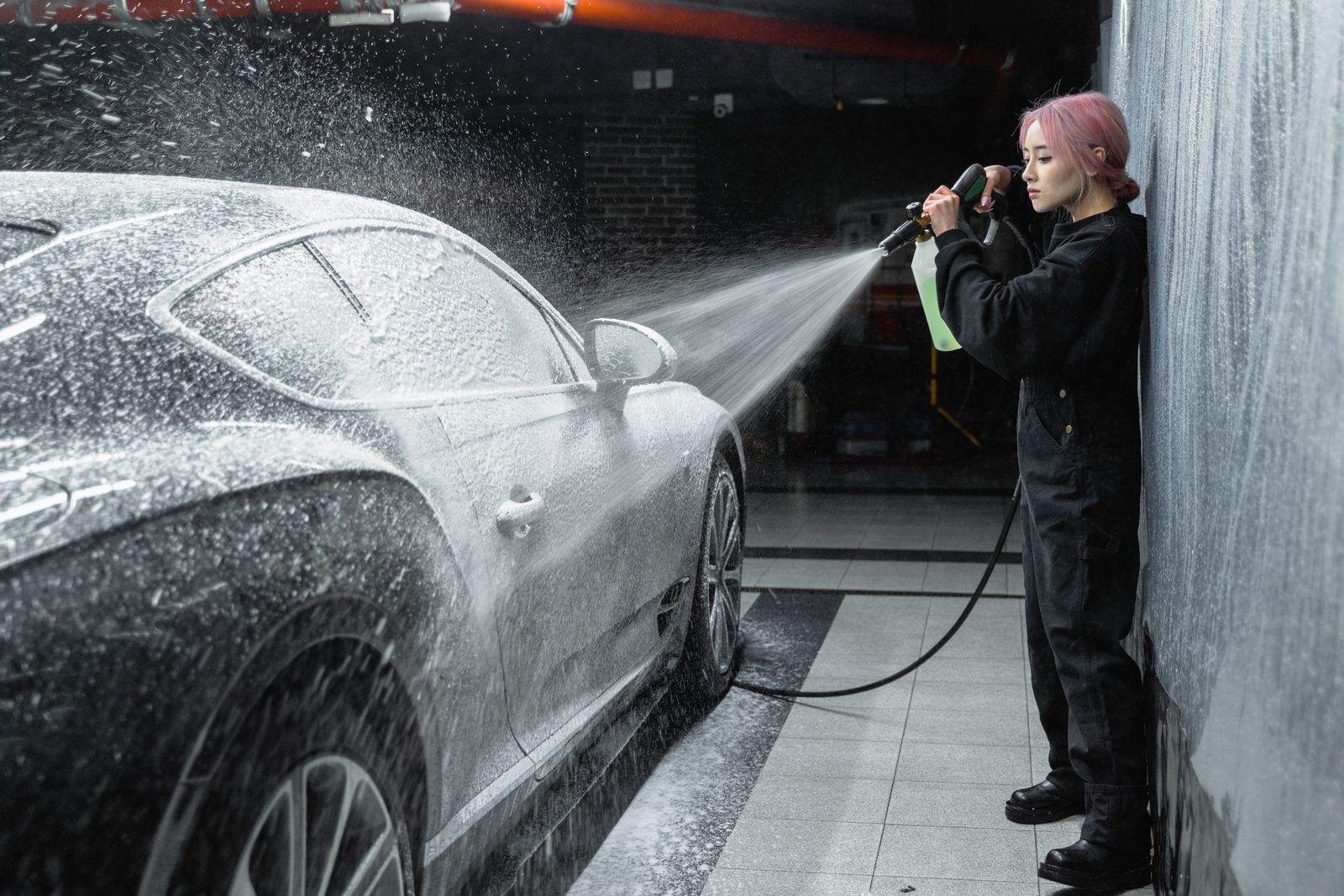
Car Detailing Air Blower Safety FAQ: PPE Requirements, Safe Distances, and Hearing Protection
Picture this: you have just finished a meticulous touchless wash on your pride and joy, but water remains trapped inside side mirror housings, deep front grille honeycomb vents, and tight lug nut wells. Reaching for a traditional microfiber drying towel risks trapping rogue grit particles against the clear coat, creating micro-scratches and swirl marks. A high-velocity cordless car dryer eliminates towel contact entirely, but how do you operate these high-output airflow tools safely?
High-velocity car detailing air blowers are safe when operated with appropriate personal protective equipment (PPE) and proper clearance. Always wear hearing protection and impact-resistant safety glasses. Maintain a distance of 3–6 inches from painted surfaces, 6–12 inches around delicate trim or PPF edges, and avoid directing air into unsealed electronics or open vents.
Selecting the Right Operating Parameters & Gear for Your Detailing Environment
High-velocity air blowers require environment-specific hearing and eye protection adjustments based on enclosed room acoustics and surface proximity.
Best choice for
- Mandatory Ear Plugs / Earmuffs + Closed-Frame Safety Glasses — Hard concrete walls reflect high-frequency motor whine and water air-blasts, amplifying ambient decibels back to the operator's ears.
- Standard Ear Plugs + UV Protection Impact Glasses — Open air dissipates acoustic energy faster, but crosswinds increase the chance of airborne grit or water droplets blowing back toward your face.
- Operating high-velocity air tools within 3 inches of damaged paint, peeling clear coat, or lifted paint protection film (PPF) edges.
- Using the blower without hearing protection inside reflective concrete structures.
- Microfiber Towel Wipedown — Lower noise hazard, but introduces physical contact paint swirl risks that touchless air drying eliminates.
Expert Safety Tip: Angle of Attack and Surface Clearance
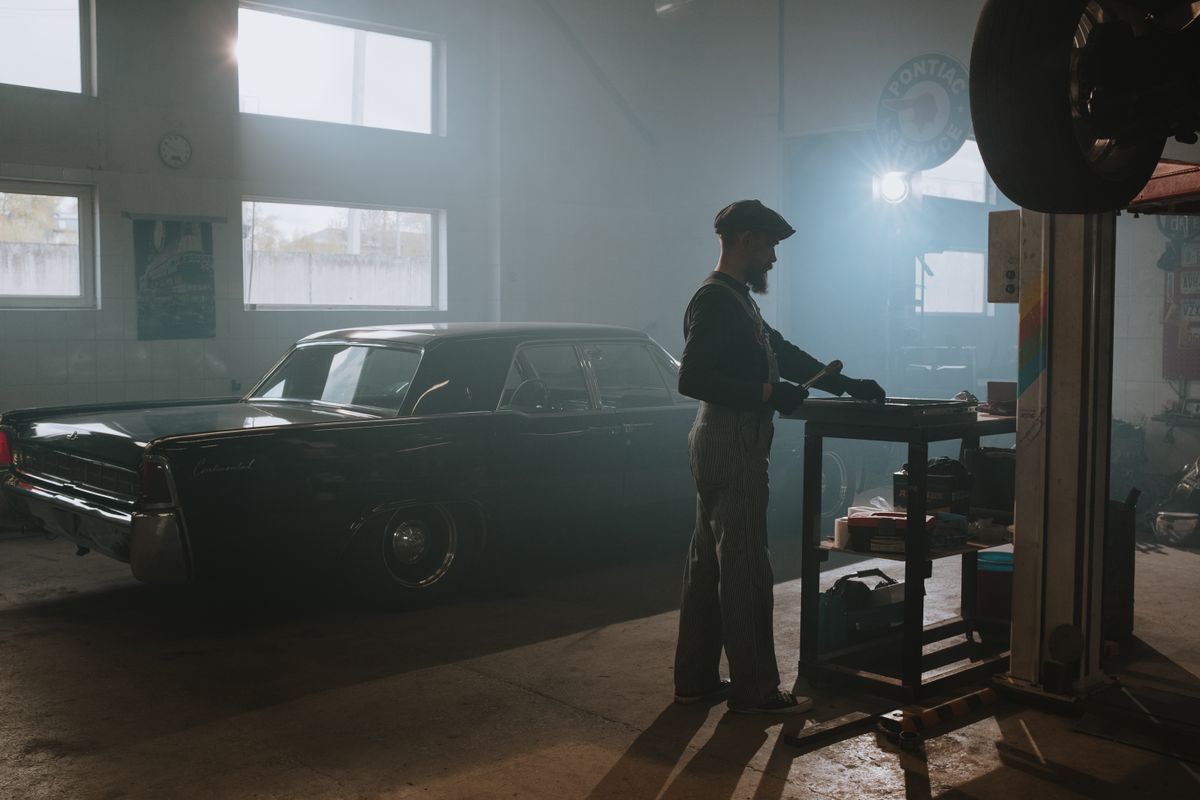
Photo by cottonbro studio on Pexels
Never hold a high-velocity blower nozzle at a direct 90-degree perpendicular angle to body panels. Blasting air straight at paint flattens water droplets against the surface rather than moving them, and increases the chance of forcing water past fragile rubber door seals or under loose badge emblems.
Instead, hold the nozzle at a 45-degree angle relative to the panel and maintain a steady 3 to 6-inch clearance distance. This creates an aerodynamic air-knife effect that shears water droplets off ceramic coatings or wax layers cleanly while directing high-speed blowback away from your eyes.
PPE Requirements Matrix by Detailing Task
| Detailing Task | Required PPE | Safe Working Distance | Primary Hazard Risk |
| --- | --- | --- | --- |
| Exterior Body Panels & Glass | Safety Glasses + Ear Plugs | 3 to 6 inches | Water blowback droplets and fine dust ricochet |
| Wheels, Brake Calipers & Lug Nuts | Impact Goggles + Ear Plugs | 6 to 8 inches | Brake dust, tiny gravel particles, and road grit ricochet |
| Engine Bay Drying & Debris Clearing | Impact Glasses + Ear Plugs + Dust Mask | 12+ inches around vents | Dislodging electrical plugs, water in air intakes, high oil dust |
| Door Jambs, Trunk Channels & Seals | Safety Glasses + Ear Plugs | 6 to 12 inches | Blowing water inside interior upholstery or lifting weatherstripping |
Different detailing tasks present distinct acoustic and ricochet hazards. Use this side-by-side safety matrix to prepare the correct protective gear and maintain safe working distances across vehicle areas.
Visual Reference: Air Blower Safety Clearance Zones
Reference the visual blueprint below to understand safe proximity zones for clear coat, vinyl wraps, badging, and engine electrical components.
Essential High-Velocity Air Safety Rules
- Always insert hearing protection prior to squeezing the blower trigger, especially when working inside garages.
- Maintain a 45-degree nozzle attack angle to shear water cleanly off vehicle panels without pushing moisture past weather seals.
- Keep the blower nozzle 3–6 inches away from painted surfaces and 6–12 inches away from PPF seams or rubber trim.
- Avoid blasting air directly into unsealed alternator vents, open air intakes, or spark plug wells during engine bay detailing.
- Store your high-velocity blower, battery, charger, and safety gear in a dedicated hard case to protect sensitive motor impellers from contamination.
All-in-One Safe Detailing Solution: The Jet Blower Pack
Having the right tool with built-in safety consideration makes touchless detailing effortless. The complete Jet Blower Kit delivers cordless high-velocity 21V drying power while providing essential safety accessories right out of the box.
Pre-Operation Detailing Safety Checklist
- Inspect the surrounding floor area for loose gravel, sand, or grit that high-velocity exhaust could kick up.
- Insert the included ear plugs firmly into your ear canals to dampen high-frequency motor noise.
- Put on impact-resistant safety glasses or protective goggles.
- Verify the 21V battery pack is securely latched into the Jet Blower handle base.
- Ensure the rear air intake vent is clear of loose clothing, detailing towels, or long hair.
- Position the nozzle at a 45-degree angle, maintaining a minimum 3-to-6-inch clearance from clear coat surfaces.
Critical Air Dryer Safety Mistakes to Avoid
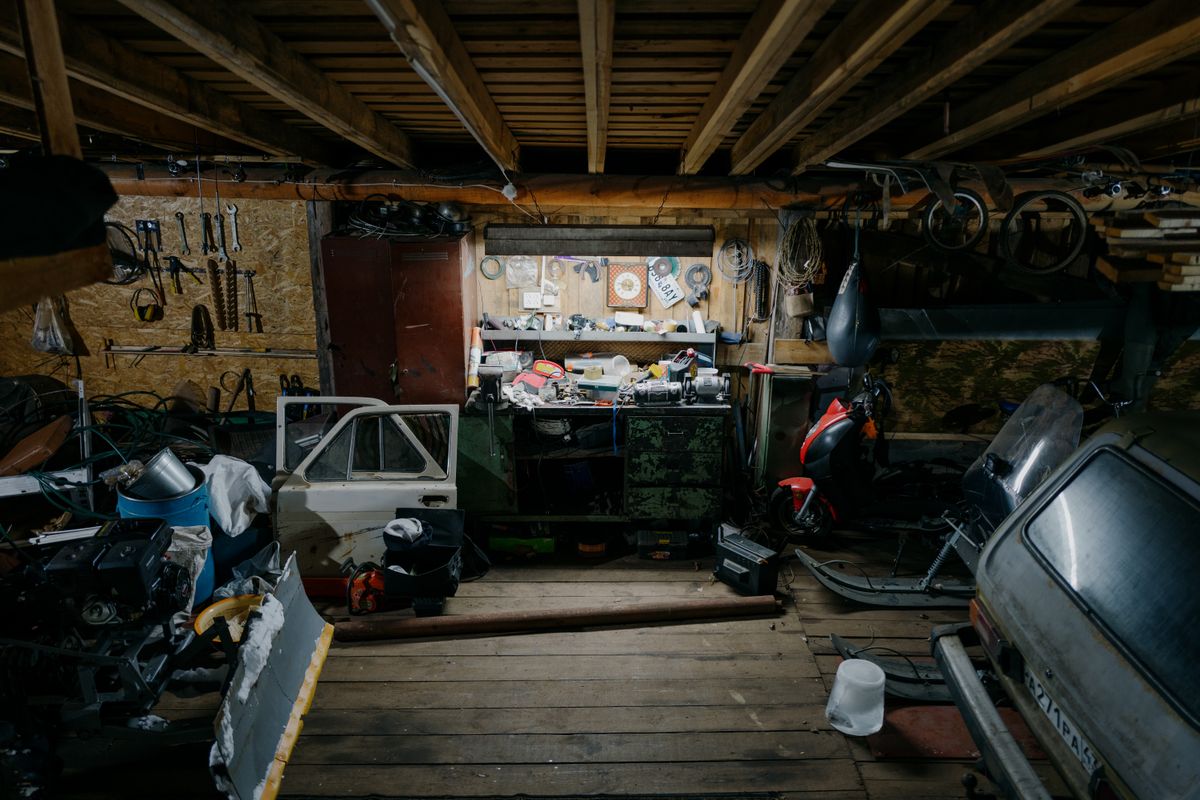
Photo by Daniil Ustinov on Pexels
Even experienced detailers occasionally make operational errors that risk damage to vehicle finishes or personal comfort. Avoid these four common missteps:
Interactive Noise Exposure Assessment
Plan your detailing runtimes safely by understanding how workspace acoustics impact required hearing protection.
Frequently Asked Questions About Car Drying Blower Safety
Here are expert answers to common questions regarding noise safety, ceramic coatings, film wraps, and engine bay detailing.
Recommended Reading & Related Safety Guides
Expand your knowledge on car dryer maintenance, battery longevity, and scratch-free detailing techniques:
Recommended Operational Workflow and Next Steps
Your decision: Determine your operating environment and put on required PPE before starting your high-velocity car dryer.
Do this next: Inspect the Jet Blower complete kit, insert included ear plugs correctly, put on safety glasses, and maintain a 45-degree nozzle angle.
- Read next: Are Car Drying Blowers Bad for Your Hearing? Decibel Safety & Hearing Protection Guide
- Read next: How to Safely Use High-Velocity Air Blowers Without Damaging Clear Coat or Kicking Up Debris
Jet Blower (Pack)
Ready to experience safe, touchless car drying without the hassle of towels or tangled extension cords?
Cover photo by Tima Miroshnichenko on Pexels.