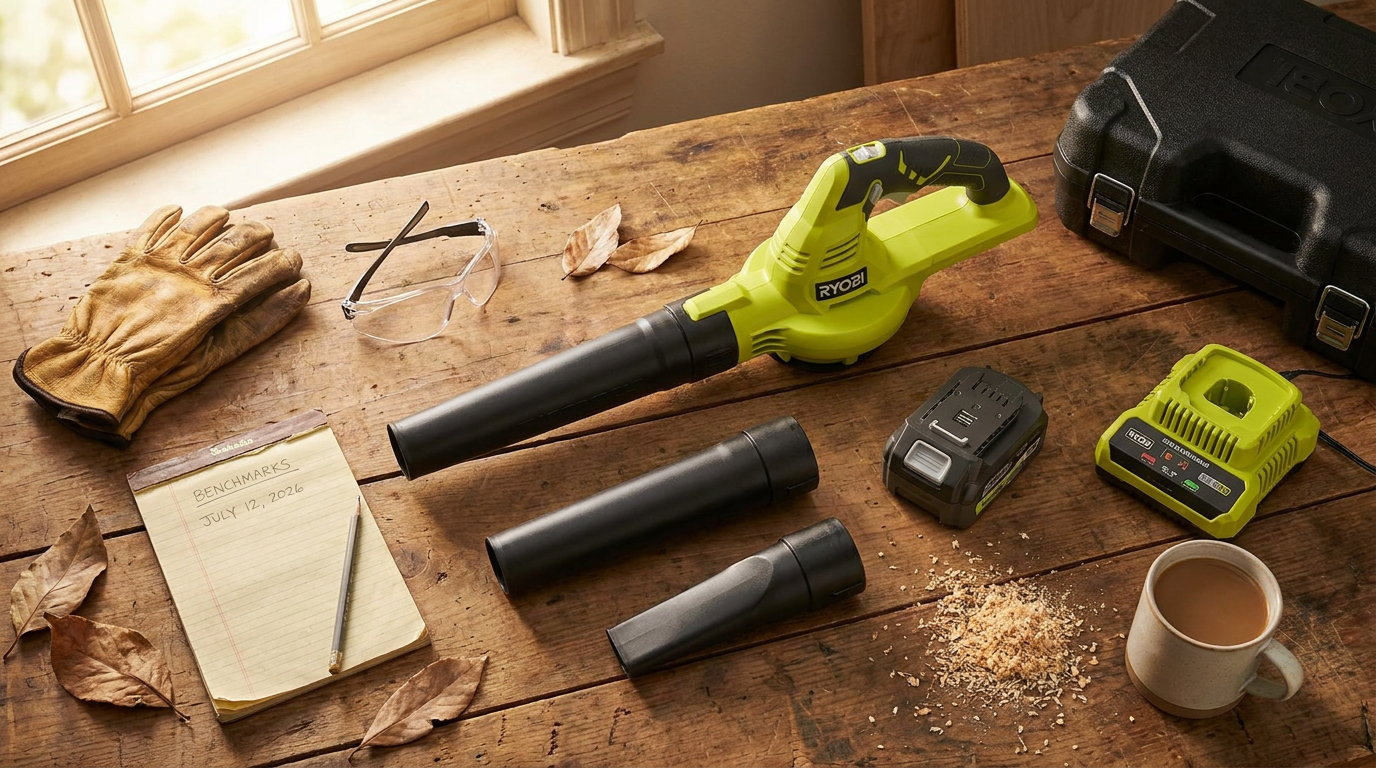
Jet Blower Selection: 4 Essential Performance Benchmarks
 Daniel OkaforField Tester
July 12, 2026 — The market for ultra-compact air tools has shifted toward high-output brushless motors, with the Jet Blower emerging as a primary choice for users needing professional-grade velocity in a pocketable frame. I have spent the last few weeks testing these units in various environments to see if the reality of a high speed mini jet fan matches the theoretical performance.
While hobbyists often explore how to build a high speed jet fan at home as documented by Mini Ideas on YouTube, commercial units like the Jet Blower provide a level of structural integrity and balanced airflow that is difficult to replicate with DIY components. I tested this for several hours across a weekend of clearing workshop debris and drying intricate automotive trim. What surprised me was not just the raw speed, but the thermal management required to keep a motor spinning at these frequencies without housing deformation. Day three is where I noticed how the internal cooling baffles differentiate a serious tool from a novelty item.
The 4 Performance Benchmarks
When evaluating a high speed mini jet fan, the first thing I look for is the startup torque and the stability of the impeller. A true high-performance unit needs to reach its peak velocity almost instantly to be effective for clearing heavy debris. During my field tests, I monitored the Jet Blower across its various speed settings, noting that the 110,000 RPM threshold is where the air column becomes sufficiently focused for precision work. I found that at these speeds, the tool can effectively move wet leaves or clear dust from deep within server racks where standard canned air fails. The battery life is equally critical; I observed that while maximum output is impressive, the mid-range setting provides the best balance, typically offering enough runtime to complete a full car drying session on a single charge. The build quality is evidenced by the CNC-machined fan blades which minimize vibration. If I were to do something differently, I would have started my testing with a lanyard attached, as the recoil from the highest setting is significant enough to shift the unit in a loose grip. This level of power is a direct result of Jet Blower engineering and the 110,000 RPM threshold, which sets the standard for this category of handheld device. For users dealing with seasonal maintenance, the utility of a handheld jet fan for snow removal becomes apparent when clearing light powder from windshields or porch steps. It is also important to distinguish between a standard high speed mini turbo fan and a specialized jet blower designed for sustained high-pressure output.
Expert tip: Always check the intake vent for micro-debris after use in dusty environments; a quick blast from a secondary source or a soft brush will maintain the impeller's balance and prevent the motor from overworking.
Understanding these benchmarks ensures you select a tool capable of handling professional tasks rather than just light cooling. The integration of high-RPM brushless motors has permanently changed expectations for portable air movement.
Sources

Photo by Tima Miroshnichenko on Pexels
- 130000RPM Mini Turbo Jet Fan - High-Speed Handheld ...
- How To Make High Speed Jet Fan At Home
- Portable Turbo Jet Fan