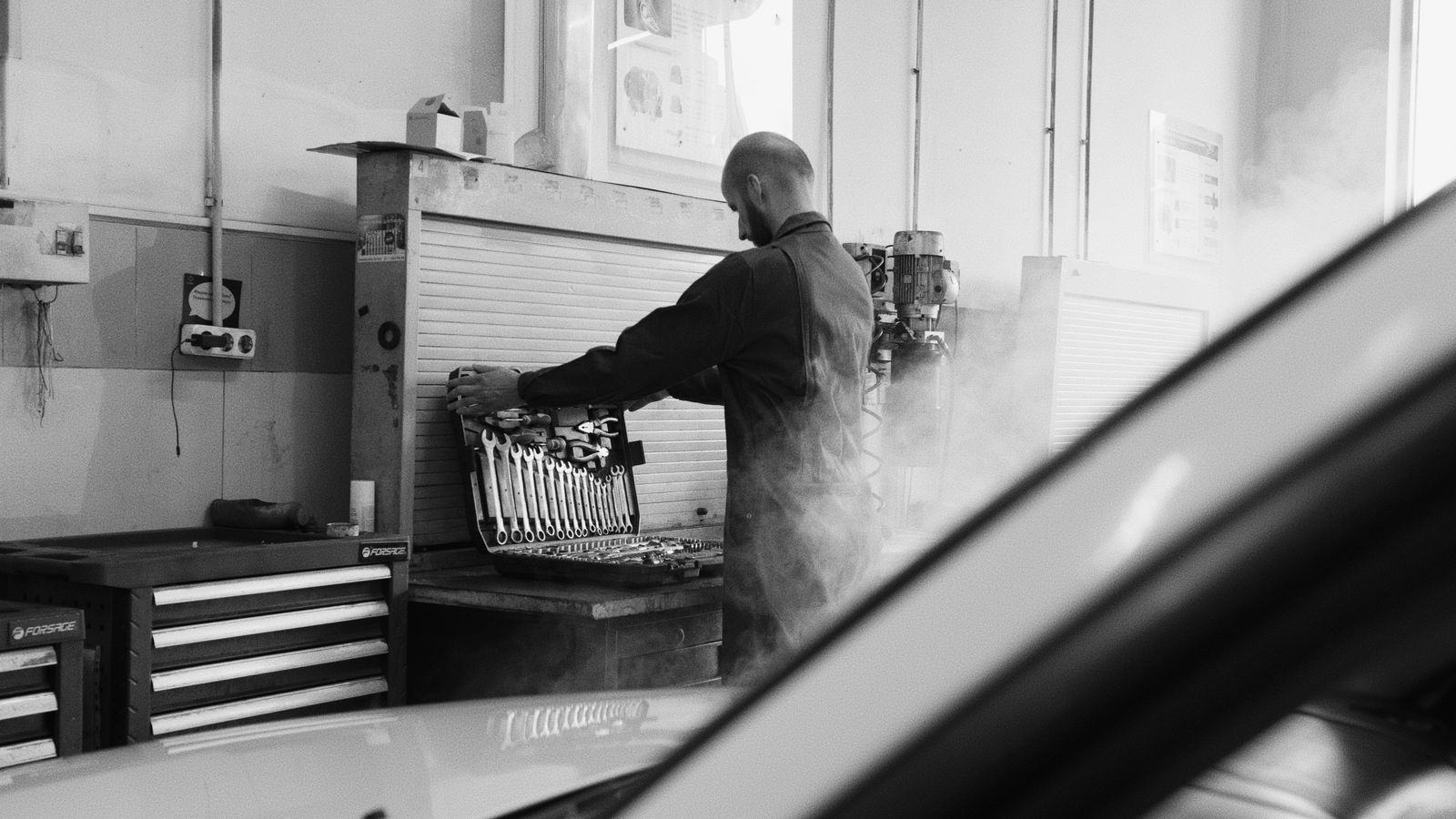
Jet Blower vs Shop Vac for Workshop Dust: High-Velocity Air vs Vacuum Extraction
Should you choose a high-velocity jet blower or a shop vac for workshop dust? Choose a 21V cordless jet blower for rapid, zero-setup clearance of surface dust, tool crevices, and floor sweeps toward open doors. Choose a shop vac with a HEPA filter for capturing respirable fine particles like MDF or concrete dust in enclosed, unventilated spaces.
Jet Blower vs. Shop Vac Performance Comparison Matrix
| Scenario / Cleaning Task | 21V High-Velocity Jet Blower | Standard Wet/Dry Shop Vac | Winner & Key Advantage |
| --- | --- | --- | --- |
| Clearing Miter Saw Bevel Gears & T-Tracks | High-speed air stream instantly flushes packed dust from blind crevices without tool breakdown. | Bulky nozzles fail to seal into narrow channels, leaving dust behind. | Jet Blower (Superior crevice penetration without contact) |
| 2-Car Garage Floor End-of-Day Clearance | Sweeps entire 400 sq ft concrete slab toward open garage door in under 60 seconds. | Requires dragging heavy canister, extension cord, and wheeling over floor debris (4–6 mins). | Jet Blower (85% reduction in total cleanup time) |
| Dislodging Dust from Power Tool Motor Vents | Blows trapped particulate out of armatures and cooling fans, extending tool life. | Vacuum suction cannot break surface tension of static-clung internal dust. | Jet Blower (Essential motor maintenance capability) |
| Collecting Toxic MDF or Drywall Dust Indoors | Resuspends fine particles in airborne column if space is unventilated. | HEPA filtration traps fine particles at source without airborne dispersion. | Shop Vac (Mandatory for hazardous particle containment) |
| Cleaning Workbench Surfaces & Hand Tool Pegboards | Clears dust around mounted vises and tool racks instantly without disturbing layout. | Hose knocks over small items and scratches polished wooden surfaces. | Jet Blower (Touchless cleaning prevents surface abrasion) |
Compare real-world performance across typical garage and workshop maintenance scenarios.
Pros and Cons: Air Displacement vs. Vacuum Extraction
Pros
- Zero setup friction— cordless 21V battery readiness eliminates cord unraveling and hose management
- High-velocity airflow penetrates blind pockets, gear teeth, and electric motor housings
- Touchless cleaning prevents scratches on vehicle paint and fine wood finishes
- Rapid floor sweeps cover massive surface area in seconds
- Resuspends uncontained fine dust if operated in sealed rooms without PPE or open doors
- Cannot collect heavy bulk debris like wet slurry, large oak offcuts, or magnetic filings
Primary Failure Modes to Avoid
- Blowing Hazardous Fine Dust in Enclosed Spaces: Using a jet blower on fine MDF, drywall, or silica dust with garage doors closed creates a dense airborne cloud of respirable particles that remain suspended for hours.
- Vacuum Filter Clogging & Motor Burnout: Using a shop vac without a clean fine-dust filter bag allows micro-particles to pass into the motor housing, causing thermal shutdown and permanent suction loss.
- Surface Abrasion from Vac Hoses: Dragging rigid shop vac plastic nozzles across freshly painted body panels, polished table saw tops, or fine woodworking projects causes micro-scratches.
The Recommended Setup: Cordless Jet Blower Pack
For 90% of daily garage maintenance, vehicle drying, and power tool blowout tasks, a high-velocity cordless blower offers unbeatable speed and convenience. Eliminating hoses and extension cords cuts cleanup friction from minutes to seconds.
Best Choice: Jet Blower Pack
- Complete kit featuring 21V battery power, charger, ear plugs, and custom hard carry case.
- Ideal for vehicle drying, miter saw track blowout, and rapid floor clearing.
Expert Tip: The Two-Stage Hybrid Cleaning Workflow
Professional detailers and woodworkers rarely rely on a single tool. The most efficient workshop protocol uses a two-stage hybrid method:
This workflow eliminates 90% of shop vac maneuvering while ensuring internal tool components remain free of heat-trapping dust.
Critical Failure Modes & Common Workshop Dust Mistakes
Avoid these high-risk errors when managing workshop dust and tool maintenance:
- Operating High-Velocity Blowers Without PPE: High-speed air forces dust particles and small wood chips into eye sockets and ear canals. Always wear ANSI-approved safety glasses and use the ear plugs supplied in your Jet Blower Pack.
- Blowing Direct High-Velocity Air at Sealed Bearings: Holding a high-pressure jet blower nozzle closer than 2 inches from rubber-sealed ball bearings can force fine grit past the seals, corrupting bearing grease.
- Vacuuming Hot Metal Filings or Embers: Ingesting metal sparks from angle grinders into a shop vac collection drum containing wood dust creates an extreme fire hazard.
- Neglecting Motor Vent Blowouts: Allowing fine wood dust to pack inside power tool armatures acts as thermal insulation, causing premature motor winding burnout.
Decision Tree: Air Displacement vs. Vacuum Extraction
- Is the dust fine, toxic, or hazardous (e.g., MDF, concrete, lead paint) in an enclosed space? → Yes: Use Shop Vac equipped with HEPA Filter and Dust Bag. No: Proceed to next check
- Are you cleaning tight tool crevices, motor vents, or conducting an end-of-day garage floor sweep? → Yes: Use 21V Cordless Jet Blower (Open garage door & wear N95/Ear Plugs). No: Use Two-Stage Hybrid Workflow (Blow out crevices first, vac main pile)
Key Takeaways: Speed, Portability, and Containment
- Setup Friction Determines Cleanliness: Heavy shop vacs often sit idle because pulling out cords and unwinding stiff hoses takes longer than the actual cleanup. Cordless blowers resolve this friction.
- Crevice Reach Requires Velocity: Suction drops off exponentially with distance from a vac nozzle, whereas high-velocity jet blowers maintain focused kinetic air energy into narrow channels.
- Ventilation Is Mandatory for Blowouts: Always ensure ambient airflow (open main garage doors) and wear personal protective equipment when disturbing settled dust.
- Touchless Protection: Air displacement eliminates physical contact, protecting delicate finishes on vehicles, custom furniture, and precision machinery.
Decision Framework: Matching Tool to Task
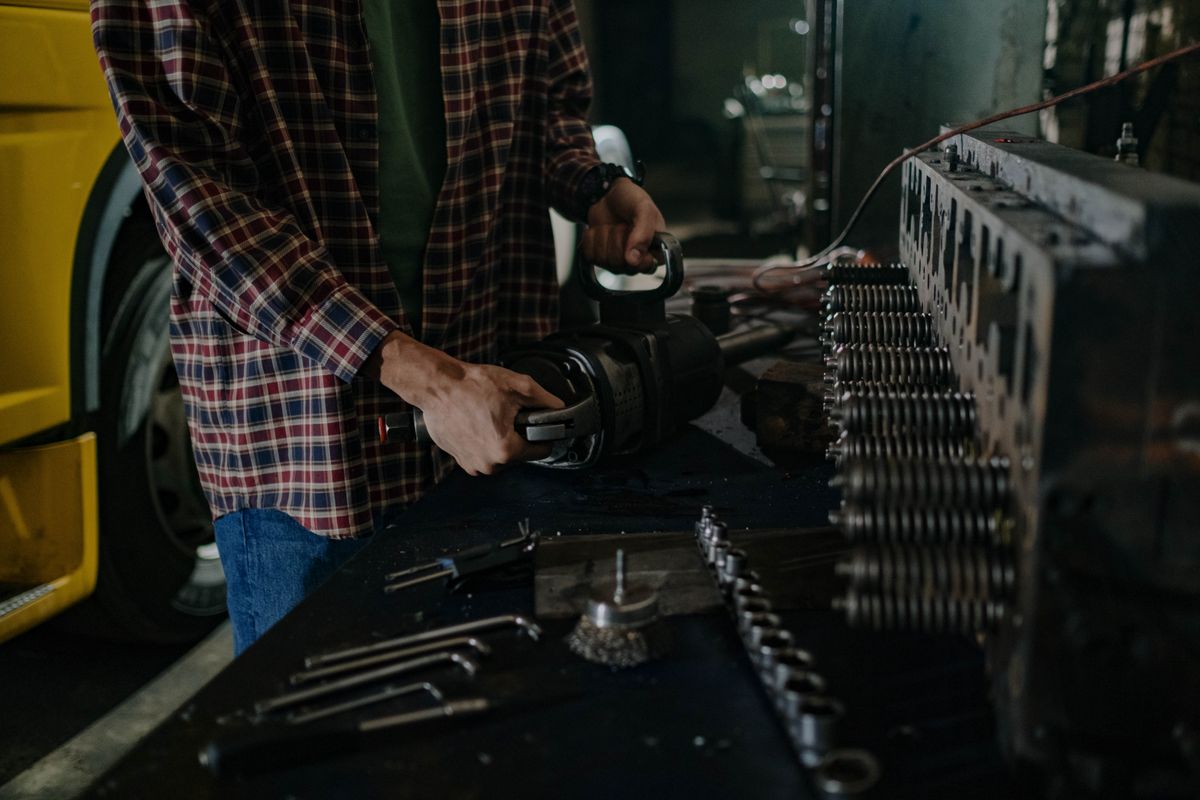
Photo by cottonbro studio on Pexels
Use a high-velocity 21V jet blower for fast surface clearance, open floor sweeps toward outdoor doors, and dislodging dust from tool motor vents. Use a HEPA shop vac when dealing with toxic materials, heavy chips, or enclosed spaces without ventilation.
Best choice for
- Cordless Jet Blower — High-velocity targeted airflow reaches tight spaces that vacuum attachments cannot fit into without dragging hoses.
- Cordless Jet Blower — Clears hundreds of square feet in seconds without setup friction, cords, or heavy tanks.
- Shop Vac with HEPA Filter — Provides direct containment to prevent fine respirable particles from remaining suspended in indoor air.
- Blowing dust in an enclosed space without PPE or open ventilation.
- Attempting to vacuum wet slurry or bulk debris with a jet blower.
- Using a shop vac without a clean filter, which causes suction loss and motor overheating.
- Two-Stage Hybrid Cleaning Method — Blow dust out of motor housings and crevices into the open floor using a Jet Blower, then extract concentrated floor piles with a shop vac.
Featured Solution: The Jet Blower Cordless Pack
Engineered for vehicle detailing and workshop cleaning, the Jet Blower Pack delivers high-velocity airflow in a compact, cordless footprint.
Real-World Application Scenarios
Miter Saw & Router Table Clearance — Use the Jet Blower to shoot high-speed air bursts into fence tracks, bevel gears, and motor vents where shop vac nozzles cannot physically seat.
2-Car Garage Floor End-of-Day Sweep — Open the garage door, put on an N95 mask and ear plugs, and sweep dust outward with the Jet Blower in under 45 seconds.
Enclosed Basement Woodworking Session — Attach a shop vac directly to the power tool extraction port to capture MDF or fine sawdust at the point of generation.
Here is how air displacement compares to vacuum extraction in common everyday workshop tasks.
To understand why a high-velocity jet blower outperforms a wet/dry vacuum in crevice cleaning, one must look at fluid dynamics. Vacuum extraction relies on static suction (negative pressure). According to the inverse-square law of suction velocity, air speed drops dramatically just 1 to 2 inches away from a vacuum nozzle tip. Unless a shop vac nozzle is placed directly over dust, it lacks the energy to lift particles trapped in grooves or motor windings.
In contrast, a high-velocity blower utilizes directional kinetic energy (positive pressure). By accelerating air through a focused nozzle, the jet blower delivers high mass flow rate and velocity to dislodge static-bound dust from up to several feet away. This kinetic stream forces trapped grit out of tight mechanical assemblies, power tool vents, and textured floor concrete effortlessly.
Frequently Asked Questions
Common questions regarding workshop dust management, hearing protection, and tool safety.
Actionable Next Steps for Workshop Owners
Your decision: Determine whether your immediate goal is dislodging trapped dust in tools and open floors (Jet Blower) or containing fine indoor particulates (Shop Vac).
Do this next: Equip your workshop with a 21V Cordless Jet Blower Pack for 90% of rapid daily spot cleaning and pre-vac blowouts.
Related resource: Best Cordless Blowers for Garage and Workshop Maintenance: Buyer's Guide
Jet Blower Pack — Cordless 21V complete kit with battery, charger, ear plugs, and hard carry case.
Upgrade your workshop maintenance workflow today by eliminating setup friction and selecting the right tool for the job.