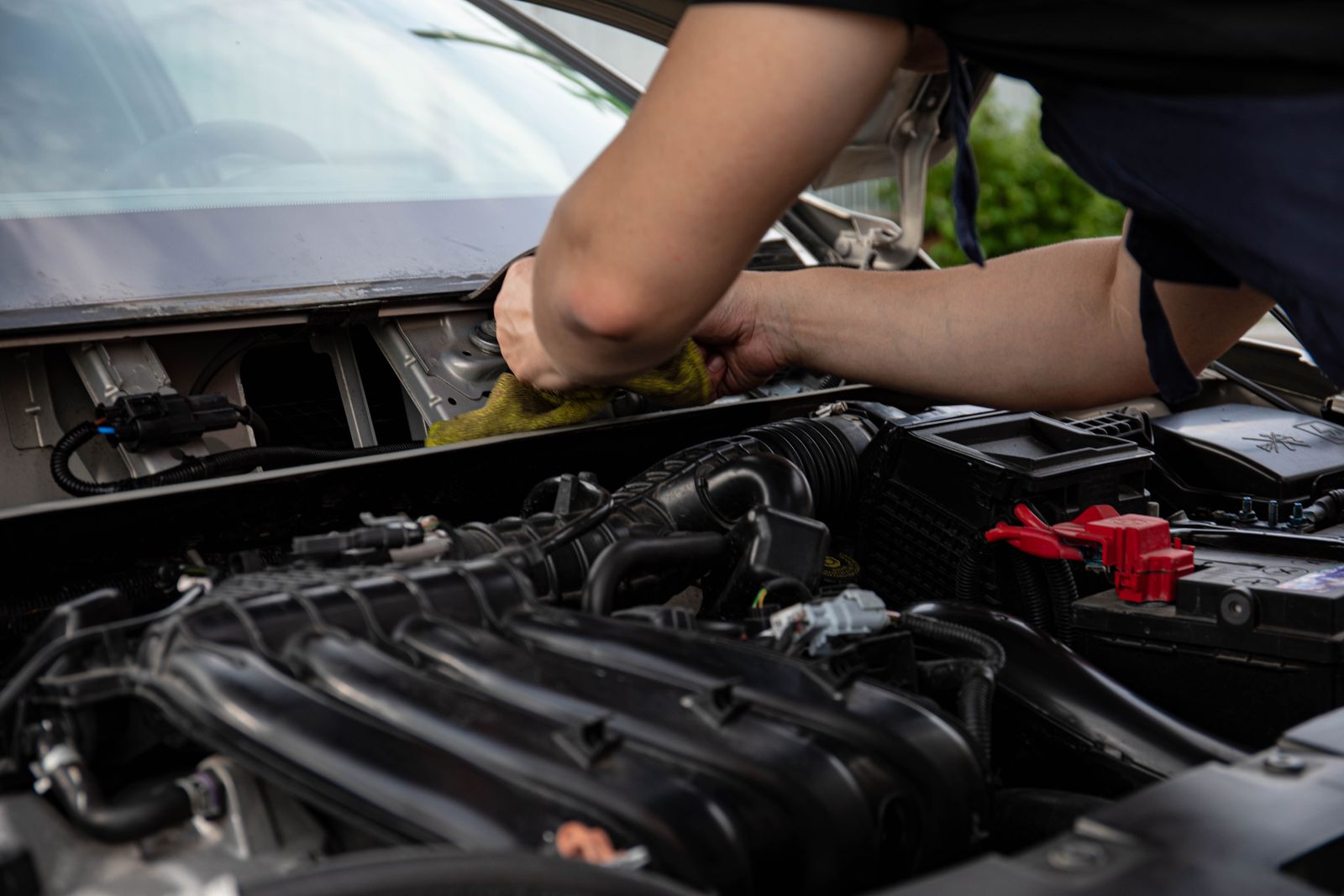
Precision Car Drying FAQ: Water Traps, Door Jambs, and Engine Crevices
You have just finished a meticulous two-hour hand wash, dried the body panels, and stepped back to admire the gloss—only for hidden water to trickle out of the side mirrors, door jambs, and emblem crevices, leaving stubborn mineral streaks across your paint.
Touchless car drying uses high-velocity, ambient-temperature air angled at 30 to 45 degrees from 4 to 12 inches away to purge trapped water from grilles, side mirrors, door jambs, and engine bays without touching paint. Maintaining proper distance around delicate weatherstripping and electronic sensors prevents seal distortion while delivering a scratch-free, streak-free finish.
Drying Technique Matrix: Air Blower vs. Microfiber for Specific Zones
Touchless high-velocity air drying is the superior method for intricate water traps, door jambs, lug nut recesses, and grilles, while soft microfiber drying remains a quick option for broad, flat roof and hood panels.
Best choice for
- 21V High-Velocity Jet Blower — Air pressure expels water completely out of internal housings where towels cannot reach.
- Targeted Air Streams from 8-12 inches away — Prevents mechanical displacement of delicate wires while vaporizing pooled water on manifold recesses.
- You are blowing directly into unsealed aftermarket intake cones at close range (<4 inches).
- Door jamb weatherstripping is dry-rotted or detached, as high air pressure can further detach loose rubber.
- Plush 1200GSM Microfiber Drying Towels — Suitable for fast moisture absorption on wide, flat body panels like hoods and roofs, but prone to causing swirly scratches in tight crevices.
Air Nozzle Vector & Distance Blueprint for Sensitive Crevices
Photo by Erik Mclean on Pexels
Proper execution requires controlling air trajectory angles and standoff distances. The schematic blueprint below details the precise vector angles and minimum operating distances for four high-vulnerability vehicle zones.
Core Principles of Safe High-Velocity Crevice Drying
To achieve flawless, streak-free results without damaging vehicle seals or electronics, master these five operational rules:
- Maintain Dynamic Angles: Always aim the airflow at a 30 to 45-degree tangent across seams rather than direct 90-degree perpendicular blasts.
- Respect Standoff Distances: Keep the nozzle at least 4 to 6 inches away from rubber window seals and 8 to 12 inches away from engine electronics.
- Follow Top-to-Bottom Sequencing: Always blow upper panel seams (roof rails, sunroofs) first, working downward to side mirrors, door jambs, and finally wheels.
- Utilize Hydrophobic Coatings: High-velocity air perform best on surfaces treated with waxes, sealants, or ceramic coatings, which break surface tension instantly.
- Protect Hearing: High-velocity air displacement inside enclosed spaces or wheel arches generates elevated sound frequencies; always wear appropriate hearing protection.
Essential Gear for Precision Touchless Drying
Having full mobility without dragging a heavy hose or trailing power cords across fresh paint is essential for efficient crevice drying. The Jet Blower Pack provides complete cordless power engineered specifically for auto detailing and debris management.
Ready to transform your wash routine? Upgrade your detailing setup with the cordless Jet Blower (Pack) today for scratch-free, touchless drying in seconds.
Step-by-Step Crevice & Water Trap Purge Checklist
Follow this rigorous top-to-bottom sequence immediately after your final rinse to completely eliminate post-wash drips.
Critical Errors When Air-Drying Door Jambs and Engine Bays
Photo by ERIC MUFASA on Pexels
Avoid these common procedural mistakes that can damage vehicle trim or blow water into unwanted areas:
- Perpendicular Blasting on Door Seals: Holding the nozzle at a 90-degree direct angle against rubber weatherstripping forces water past the flexible seal lip, saturating interior door sills, fabric door panels, or cabin carpets.
- Close-Range Engine Bay Spray: Operating closer than 4 inches near unsealed intake manifolds, alternator vents, or relay boxes can force moisture directly into sensor housings or ignition coil wells.
- Bottom-Up Sequence Execution: Purging lower rocker panels, tires, or brake dust from wheel wells before drying upper door frames leads to dirty overspray re-contaminating pristine upper paintwork.
Frequently Asked Touchless Car Drying Questions
Here are expert solutions to the most frequent technical challenges encountered when air-drying intricate vehicle surfaces.
Further Precision Detailing Guides
Expand your detailing knowledge base with our technical guides on touchless surface care and garage maintenance:
- Mastering Hidden Crevices: How to Blow Dry Car Grilles, Badges, and Lug Nuts Safely
- Crevice & Door Jamb Drying FAQ: Eliminating Hidden Water Drips Without Touching Your Paint
- Touchless Air Drying FAQ: Battery Life, Surface Safety, and Debris Removal Tech
- Safe Dusting Guide: How to Safely Blow Dust Out of Electronics
Post-Wash Action Plan & Workflow Integration
Your decision: Choose high-velocity touchless air drying to purge hidden water traps without risking micro-scratches or towels picking up hidden grit.
Do this next: Equip your wash kit with a cordless 21V jet blower, set the nozzle at a 45-degree angle, and purge crevices in a top-to-bottom sequence immediately after rinsing.
- Read next: How to Stop Water Drips After Car Washing: Complete Crevice Drying Workflow
- Read next: How to Safely Dry an Engine Bay Without Microfiber Towels
Jet Blower (Pack) — Cordless 21V High-Velocity Blower Kit with Hard Case
Mastering touchless car drying requires integrating high-velocity airflow directly into your standard wash sequence.
Cover photo by Sergey Meshkov on Pexels.