How to Maintain Your Jet Blower for Maximum Airflow: Motor Vent Cleaning & Nozzle Care
10 drying cycles or 30 calendar days is the absolute limit before cleaning your 21V Jet Blower intake vents. Always disconnect the 21V battery pack first, then brush the rear intake screen with a soft nylon detailing brush. Apply short bursts of compressed air below 30 PSI to clear trapped microfiber lint and polish dust.
Key Maintenance Rules at a Glance
Maintaining a high-velocity 21V turbine blower requires strict adherence to mechanical cleaning limits and electrical isolation protocols:
- 10-Cycle Cleaning Interval: Dust accumulates on rear intake screens after 10 drying sessions, reducing CFM output by up to 18% if uncleaned.
- 30 PSI Pressure Limit: Never exceed 30 PSI when blowing out motor housing vents to prevent over-speeding idle fan blades or unseating internal bearing lubricants.
- Zero Water Contact: Never wash the main motor housing or electrical contacts with water or liquid cleaners; use dry microfiber and soft nylon bristles only.
- 15-Minute Thermal Cooldown: If thermal protection engages during operation, disconnect the 21V battery immediately and allow 15 minutes of cool-down before inspection.
- 50% Battery Storage: Store the 21V lithium-ion battery at 45%–55% charge inside the hard carry case at temperatures between 50°F and 75°F.
Step-by-Step Jet Blower Inspection & Cleaning Checklist
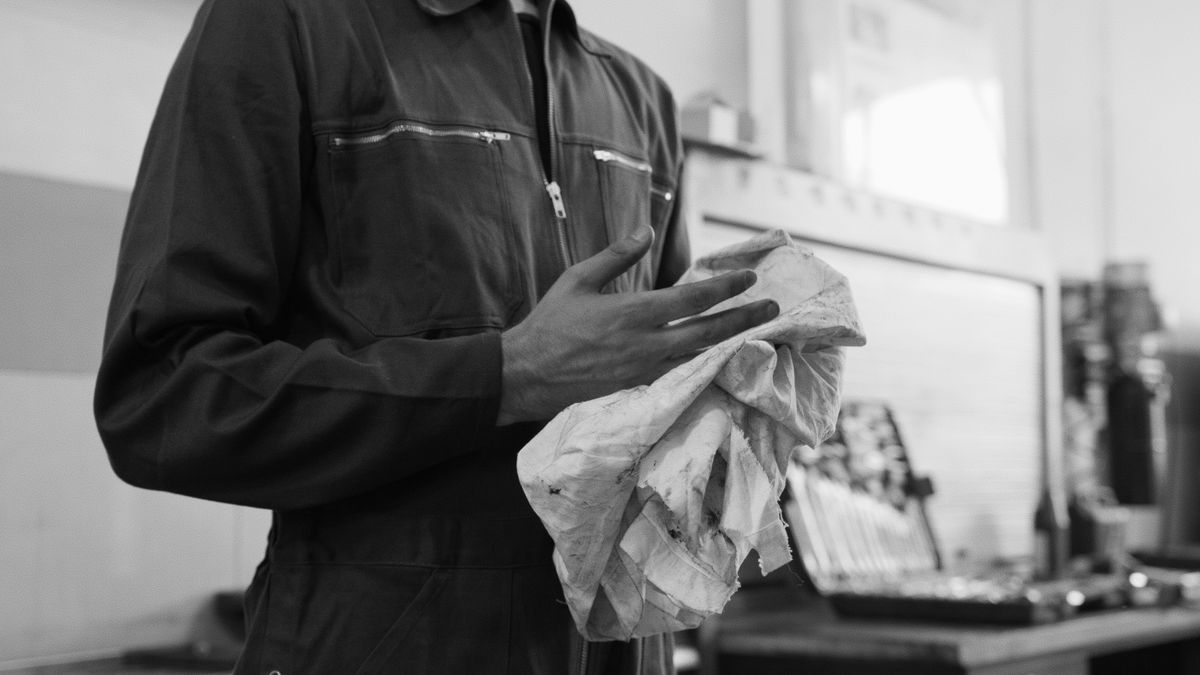
Photo by Artem Podrez on Pexels
- Disconnect 21V battery pack before performing any visual inspection or cleaning.
- Inspect rear intake screen under bright light for microfiber lint, leaves, or polish dust buildup.
- Gently brush intake mesh using a soft-bristled nylon detailing brush in circular motions.
- Apply low-pressure compressed air (<30 PSI) at a 45-degree angle to clear embedded particles from outer vents.
- Check nozzle attachment locking tabs for cracks, debris accumulation, or sand grit.
- Wipe outer plastic housing with a dry anti-static microfiber cloth.
- Inspect 21V battery contacts for oxidation or shop dust; clean with dry cotton swab if needed.
- Perform 5-second test run off-vehicle to verify normal motor sound and max air velocity before drying paint.
Printable Detailing Tool Maintenance Card
- 10-CYCLE RULE: Brush intake vents every 10 drying runs using a soft nylon brush.
- 30 PSI MAX: Clean motor channels with compressed air set strictly under 30 PSI.
- ZERO WATER: Detach plastic nozzle to wash with water; NEVER submerge or rinse motor/battery.
- 50% CHARGE: Store 21V battery at 50% charge in the hard carry case between 50°F and 75°F.
- EAR PROTECTION: Always wear included ear plugs during prolonged operation at max velocity.
Master Detailer Tip: Microfiber Dust Management
High-velocity air blowers create static electrical friction on plastic housings during extended drying runs. This static charge pulls airborne microfiber lint, compounding dust, and ambient shop grit directly onto the rear air intake screen within 3 to 5 minutes of continuous use.
To prevent intake clogging during multi-stage paint correction, wipe down the exterior motor housing with an anti-static quick detailer before starting. Spritz the anti-static solution onto a microfiber towel (never directly onto the tool), wipe the exterior plastic casing, and let it dry. This simple 30-second step reduces lint attraction by roughly 75% during high-velocity vehicle drying.
Recommended Cleaning Equipment & Detailing Equipment
Maintaining a touchless drying workflow requires using the right complete kit designed specifically for vehicle paint safety and maximum power.
Jet Blower Preventative Maintenance Intervals
- Post-Use (Every Session) — Inspect rear intake mesh for large leaf fragments or towel lint; store complete kit inside hard carry case.
- 10 Drying Cycles (Weekly for DIY) — Perform 30-second nylon brush pass over intake vents; wipe external nozzle channel with dry microfiber.
- 25 Drying Cycles (Bi-Weekly for Shops) — Execute <30 PSI low-pressure compressed air blowout of motor housing cooling channels at 45° angle.
- 50 Drying Cycles (Monthly) — Clean 21V battery terminals with dry cotton swab; inspect nozzle locking tabs and case foam alignment.
5 High-Risk Maintenance Mistakes That Damage Turbine Motors
Avoid these critical errors that compromise tool safety, reduce air velocity, or void manufacturer protection:
5-Minute Post-Detailing Maintenance Routine
- Minute 0:00 - Disconnect Power — Depress battery latch and remove 21V battery pack from blower base.
- Minute 1:00 - Detach & Inspect Nozzle — Twist nozzle off retention tabs; inspect interior tube for trapped grit or moisture.
- Minute 2:00 - Brush Intake Vents — Pass a soft nylon brush across outer intake screen to dislodge surface lint.
- Minute 3:30 - Low-Pressure Blowout — Apply short <30 PSI compressed air bursts through motor cooling vents.
- Minute 5:00 - Secure in Hard Case — Pack blower unit, 21V battery, charger, ear plugs, and nozzle into custom hard case.
Frequently Asked Questions About Jet Blower Care
Answers to essential maintenance and operational questions regarding your 21V Jet Blower kit.
Related Maintenance & Battery Care Guides
- Using Jet Blower Technology for PC Maintenance
- Jet Blower Maintenance FAQ: Storage, Safety, and Longevity Best Practices
- Jet Blower Maintenance for Precision Electronics
Immediate Post-Maintenance Action Plan
Your decision: Determine whether your blower requires a 30-second intake vent brush-out or a deeper low-pressure motor blowout.
Do this next: Disconnect the 21V battery pack, inspect the rear mesh screen under bright light, and brush away accumulated lint with a soft nylon brush.
- Read next: Troubleshooting 21V Detailing Blower Overheating: Thermal Management Best Practices
- Read next: Why Hard Case Storage Matters for Cordless Car Blowers
Maintain complete tool protection with the original Jet Blower complete kit hard carry case.
Take action now to protect your tool investment and maintain peak drying performance on every car wash.
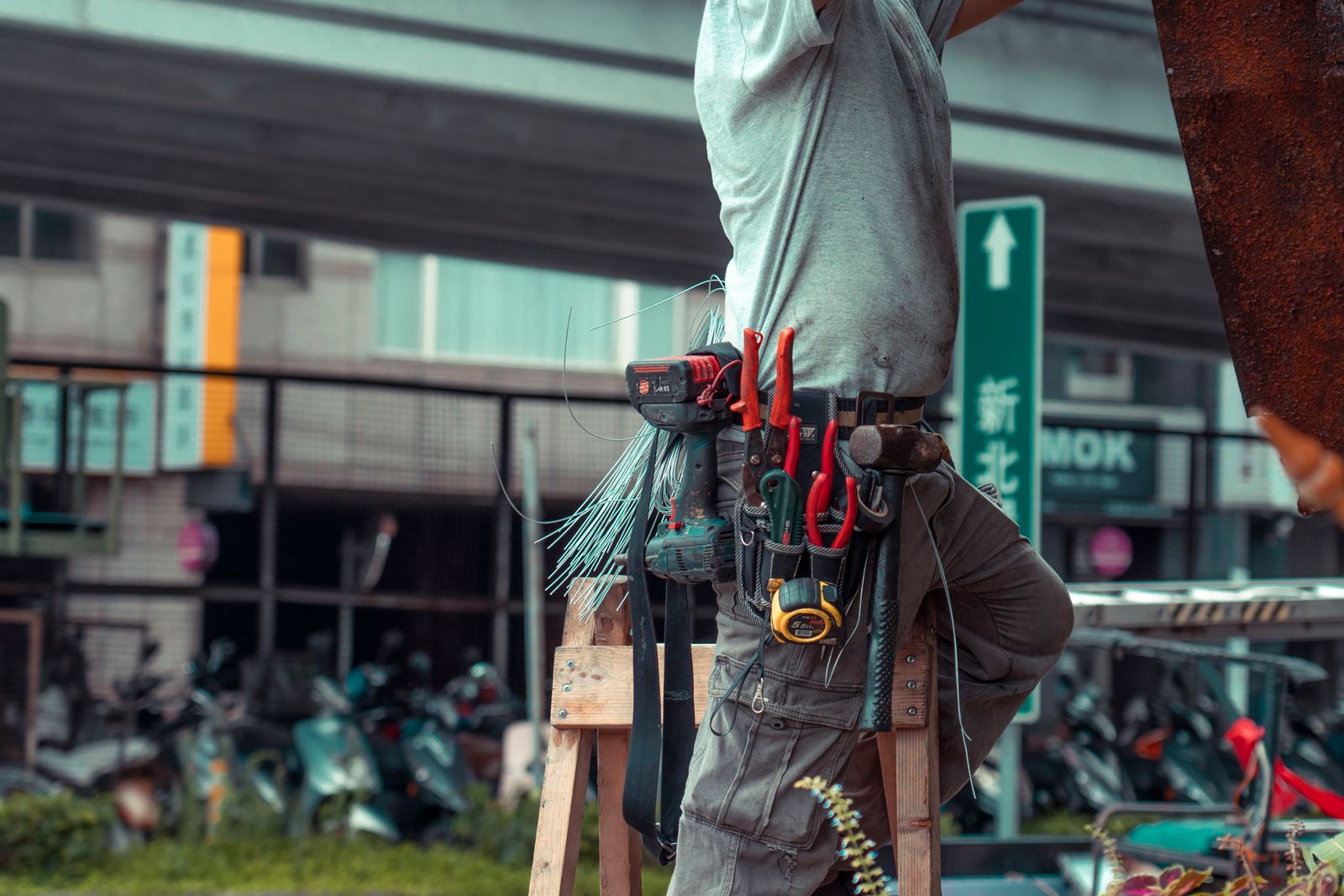
Cover photo by Jimmy Liao on Pexels.