Jet Blower Maintenance FAQ: Storage, Safety, and Longevity Best Practices
Apply the 50/50/10 rule: Store your 21V battery at 50% charge (19.5V to 20.0V) within an ambient temperature range of 50°F to 70°F (10°C–21°C), and allow a mandatory 10-minute motor cooldown before sealing the unit inside its hard carry case. Clean the rear air intake screen after every wash using short compressed air bursts or a soft detailing brush to maintain maximum airflow velocity.
Key Maintenance & Storage Takeaways
- Disconnect After Every Use: Never store the 21V battery pack latched to the blower handle inside the hard case to eliminate parasitic circuit draw and accidental trigger engagement.
- Enforce the 10-Minute Cooldown: High-velocity micro-turbines generate significant thermal build-up; cooling in ambient air prevents heat trapping and circuit degradation.
- Keep Intake Vents 100% Clear: Polishing dust, water droplets, and airborne debris on the rear grid reduce CFM by up to 35% and force the motor into thermal protection mode.
- Protect Battery Chemistry: Storing 21V lithium-ion cells above 104°F (40°C) or below 32°F (0°C) degrades permanent battery capacity by 15%–20% annually.
- Wear Ear Protection: Micro-turbine impellers spinning at high RPM emit high-frequency sound waves; always wear the included ear plugs during tight-gap or garage drying sessions.
Post-Detailing Blower Maintenance & Packing Checklist
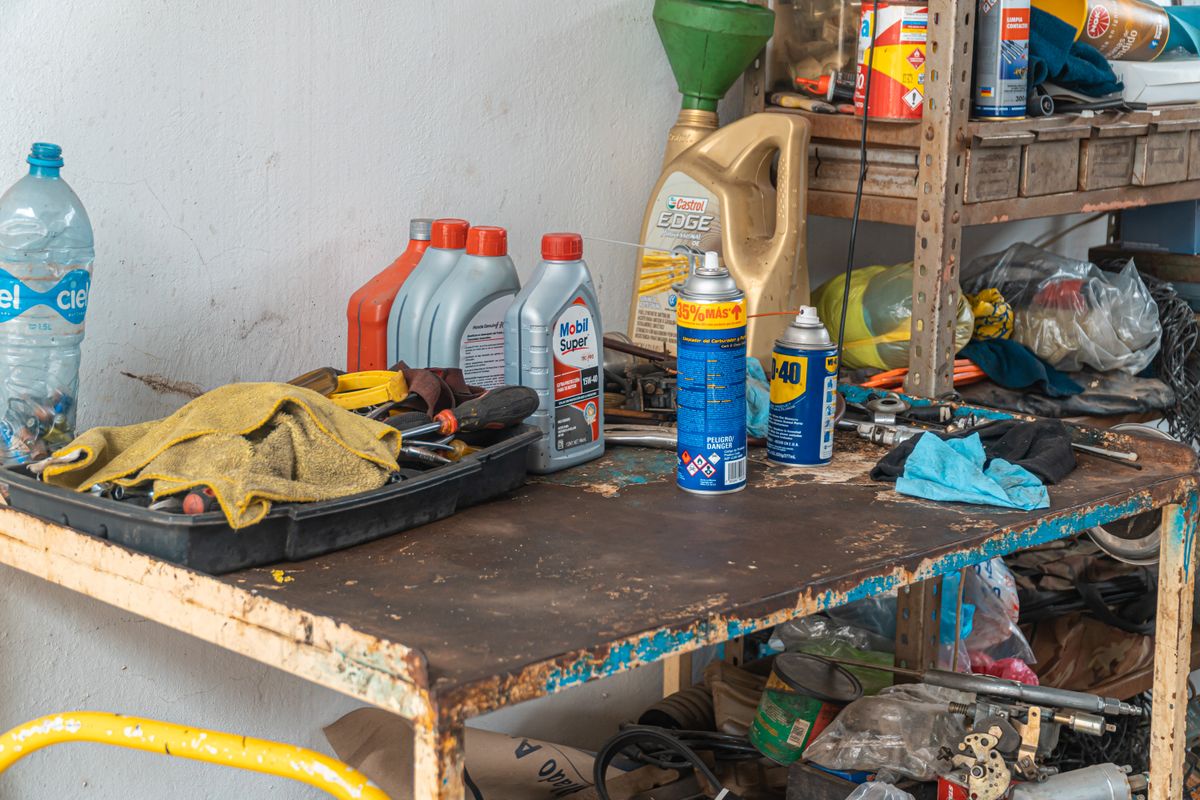
Photo by Jose Ricardo Barraza Morachis on Pexels
- Release power trigger and main switch immediately upon completing vehicle drying.
- Set the blower unit on a dry microfiber pad in open air and allow 10 minutes for motor heat dissipation.
- Depress the battery quick-release latch and disconnect the 21V battery pack from the tool handle.
- Inspect the rear intake screen for trapped water droplets, compound dust, or lint.
- Gently brush the outer intake screen with a dry soft detailing brush or sweep low-pressure air across the grid.
- Wipe down the exterior tool housing with a dry, clean microfiber towel to eliminate surface humidity.
- Pack the blower handle, 21V battery pack, charger, and hearing protection into their dedicated molded foam slots inside the hard carry case.
Printable Quick-Reference Maintenance Guide
- COOLDOWN: 10 minutes open-air rest before casing.
- DISCONNECT: Remove 21V battery after every wash session.
- INTAKE: Clear dust with a dry brush; never spray liquid into vents.
- STORAGE TEMP: Keep battery between 50°F and 70°F (10°C–21°C).
- WINTER STORAGE: Charge battery to 50% (2 LEDs lit); top off 15 mins every 60 days.
- SAFETY: Insert foam ear plugs when drying interiors, jambs, or working indoors.
Pro Tip: Extending 21V Lithium-Ion Battery Cycle Life
High-draw detailing tools stress battery cells through rapid discharge rates. To maximize cell longevity beyond 500 charge cycles, never recharge a hot battery pack immediately after a heavy drying session. Allow the battery casing to return to room temperature (approx. 15 minutes) before placing it on the smart charger. Charging a thermally elevated battery accelerates internal resistance buildup (impedance growth) and reduces runtime over time.
Jet Blower Operational Troubleshooting Matrix
| Symptom | Primary Root Cause | Diagnostic Check | Corrective Action |
| --- | --- | --- | --- |
| Motor stops suddenly during panel drying | Thermal overload protection tripped (>150°F internal temp) | Check housing temperature and intake screen for dust blockages | Disconnect battery; cool unit in shade for 15–20 mins; clear intake screen before restarting |
| Noticeable decrease in velocity and drying speed | Clogged air intake grid or partial low battery voltage | Inspect rear intake screen for debris; check battery LED indicator status | Brush off intake debris with a soft detailing brush; swap or recharge 21V battery pack |
| High-pitched screeching or vibration during operation | Foreign particle or debris ingestion into impeller housing | Shine flashlight through intake screen to check turbine blades for obstruction | Do not disassemble housing; use compressed air to clear debris out from intake side |
| Battery charger LED flashes red error pattern | Cell thermal imbalance or ambient charge temperature too high/low | Verify garage ambient temperature is between 40°F and 104°F (4°C–40°C) | Move charger and battery into a climate-controlled space; allow 30 mins to normalize before re-plugging |
Diagnose performance drops, thermal cutoffs, and electrical issues quickly using this side-by-side technical matrix.
Preventative Maintenance Schedule
- Post-Wash (Every Use) — Perform 10-minute cooldown, disconnect 21V battery, inspect and brush rear intake screen, wipe body dry, pack into hard case.
- Monthly (Every 4–5 Washes) — Deep clean housing vents with compressed air, inspect battery contact terminal pins for oxidation or dust, verify charger cable integrity.
- Off-Season / Winter Storage (90+ Days) — Check battery charge level; adjust to 50% (2 LEDs lit). Store in climate-controlled indoor room at 50°F–70°F. Recheck voltage every 60 days.
Recommended Gear: Complete Jet Blower Kit
Maintain peak drying efficiency with the purpose-built 21V detailing kit designed for touchless car care.
21V Battery Storage & Thermal Safety Matrix
| Environment / Location | Temperature Range (°F / °C) | Optimal Storage Charge % | Battery Health & Safety Impact |
| --- | --- | --- | --- |
| Climate-Controlled Indoor Room (Ideal) | 50°F to 70°F (10°C to 21°C) | 40% – 60% (2 LEDs) | Optimal stability; minimal self-discharge (<2% monthly); preserves max cycle life. |
| Standard Attached Garage (Acceptable) | 40°F to 85°F (4°C to 29°C) | 50% | Safe for daily/weekly active use; moderate self-discharge during summer months. |
| Enclosed Vehicle Trunk in Summer (Hazardous) | 110°F to 140°F+ (43°C to 60°C+) | Do Not Store | Severe risk of electrolyte breakdown, permanent capacity loss (>25% yr), and thermal runaway. |
| Unheated Detailing Shed in Winter (Non-Ideal) | < 32°F (< 0°C) | 50% | Causes lithium plating if charged while frozen; temporary voltage drops during operation. |
Evaluate storage environments side-by-side to understand ambient temperature impacts on 21V lithium-ion battery health.
Storage & Care Protocols: Choosing the Right Setup

Photo by https://kaboompics.com/ on Pexels
Select storage locations and battery protocols that prevent moisture accumulation, extreme thermal cycling, and physical impact during transport.
Best choice for
- Custom Hard Case Storage with Battery Disconnected — Protects housing turbine blades from trunk collisions and prevents accidental trigger depression during transport over rough roads.
- Climate-Controlled Garage Shelf or Cabinet — Keeps tools accessible for quick post-wash drying while isolating the battery from summer ambient garage heat.
- Leaving the 21V battery attached to the handle inside an airtight case immediately after extended high-speed operation.
- Storing lithium-ion batteries on uninsulated concrete floors in sub-zero winter temperatures.
- Wall-Mounted Utility Hook Docking — Convenient for home shops, provided the battery is removed and stored in a shaded, temperature-stable zone.
5 Destructive Jet Blower Maintenance Errors
Avoid these critical operational errors to keep your car drying jet blower functioning at maximum performance:
Post-Use Cooling & Storage Timeline
- 0:00 - Finish Drying — Release trigger switch. Set Jet Blower on a clean microfiber pad in open, shaded air.
- 0:01 - Disconnect Battery — Depress the quick-release latch and remove the 21V battery pack to break all electrical contacts.
- 0:02 to 10:00 - Open-Air Cooling — Allow heat from turbine housing and motor copper windings to dissipate naturally in ambient air.
- 10:00 - Inspection & Casing — Brush intake grid clean, wipe casing dry, and securely latch tool, battery, charger, and ear plugs into the hard case.
Frequently Asked Maintenance & Storage Questions
Get definitive answers to specific maintenance, battery physics, and safety questions.
Next Steps & Operational Workflow
Your decision: Establish a consistent post-wash maintenance habit by enforcing the 10-minute cooldown and battery-disconnect rule after every single drying session.
Do this next: Print or save the garage checklist, store your 21V battery at 50% charge during seasonal off-months, and keep your ear protection stored inside the hard carry case.
- Read next: Troubleshooting 21V Detailing Blower Overheating: Thermal Management Best Practices
- Read next: How to Maintain Your Jet Blower for Maximum Airflow: Motor Vent Cleaning & Nozzle Care
Jet Blower (Pack) with Molded Hard Case, 21V Battery Kit & Ear Plugs
Implement these maintenance standards into your auto detailing routine to ensure reliable touchless drying performance.