How do you use a rechargeable Jet Blower for detailing?
 Maya ChenContributing Editor
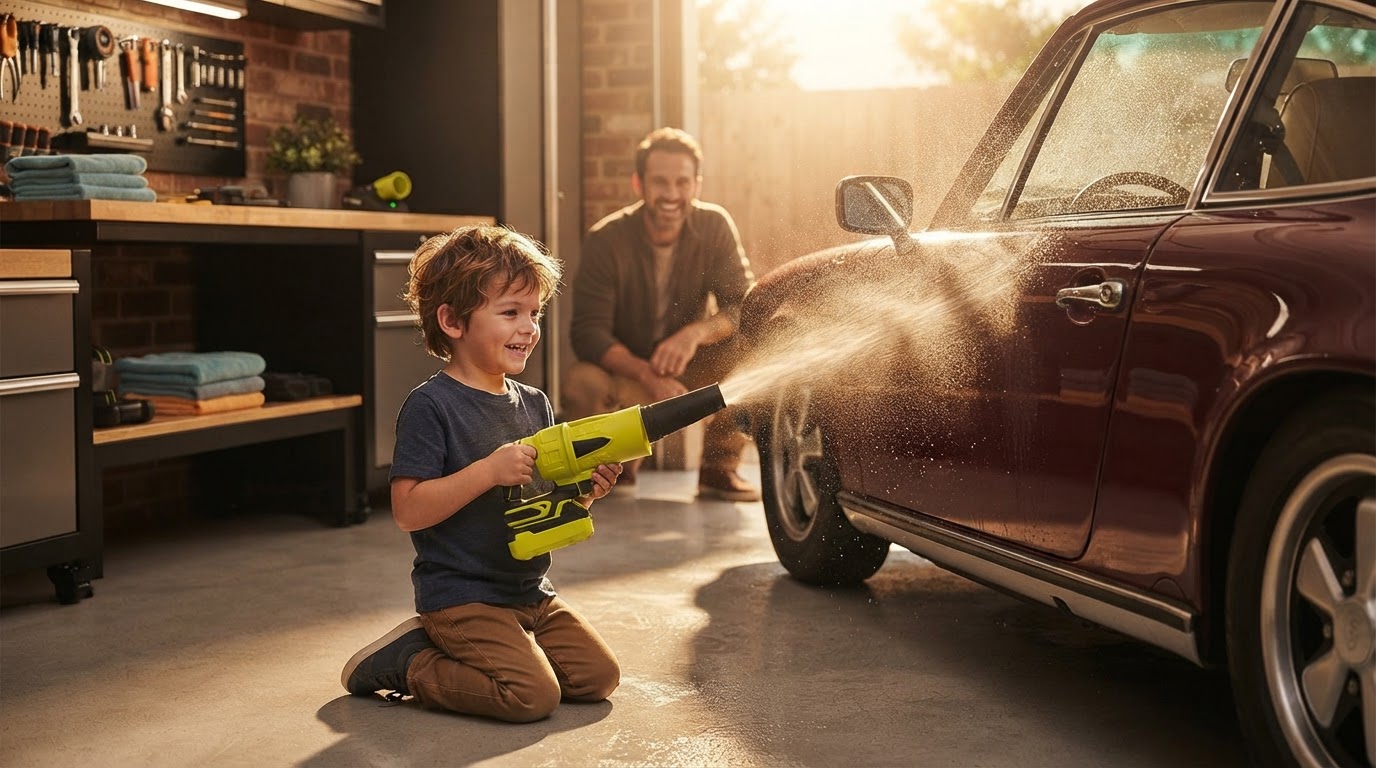
October 12, 2026 — Using a rechargeable Jet Blower for detailing requires a systematic top-down approach to clear water from crevices before it evaporates into mineral deposits. The conventional wisdom says that a standard microfiber towel is the most efficient way to dry a vehicle, but this ignores the mechanical friction that inevitably leads to swirl marks on soft clear coats. Professional detailers are increasingly shifting toward high-velocity air tools to achieve a truly touchless finish. By utilizing a cordless, high-RPM turbine, users can evacuate water from mirror housings, lug nuts, and window seals that towels simply cannot reach.
How does air velocity impact detailing efficiency?
Air velocity, rather than just volume, determines how effectively a Jet Blower can shear water off a ceramic-coated or waxed surface. Here's the part nobody talks about: high CFM (cubic feet per minute) is useless if the nozzle pressure isn't concentrated enough to break the surface tension of standing water. While traditional leaf blowers provide high volume, they often lack the targeted airspeed required for intricate automotive work. According to testing by Motortrend on the Best Air Blowers for 2026, compact units like the Milwaukee Precision Blower are now competing with larger garage units by focusing on concentrated air streams that prevent the re-deposition of dust during the drying phase. When using the Jet Blower, maintaining a 45-degree angle to the surface is critical; this ensures the water is pushed across the panel rather than being pinned against it by direct perpendicular pressure.
Why is a rechargeable Jet Blower preferred over compressors?
Portable rechargeable units offer a level of maneuverability and air purity that shop compressors typically lack unless equipped with expensive filtration stacks. The conventional wisdom suggests that a TORNADOR® Air Blow Out Gun connected to a compressor is the gold standard, but this setup tethers the detailer to a hose and carries the risk of oil or moisture contamination from the tank. Run the math: a dedicated rechargeable Jet Blower eliminates the three-minute setup time of a compressor and the risk of hose-drag against the vehicle's paint. Detailing.com notes that tools like the TORNADOR® require specific PSI settings to avoid damage, whereas modern cordless jet fans provide consistent, regulated output. I'll change my mind when compressors can match the decibel reduction and portability of a handheld turbine without sacrificing the 100+ mph wind speeds necessary to clear honeycomb grilles and intricate wheel designs.
Quick answers
Q: How long does a typical rechargeable jet blower battery last during a full car dry? A: Most high-performance units provide 12 to 15 minutes of continuous peak-power runtime, which is sufficient to dry a mid-sized sedan if the paint has a hydrophobic coating.
Q: Can the Jet Blower damage sensitive automotive sensors or cameras? A: No, provided you maintain a distance of at least three inches; the air pressure from a Jet Blower is significantly lower than the 1,500+ PSI generated by a standard pressure washer.
Q: Is a Jet Blower effective on non-coated vehicles? A: While it works on any surface, the efficiency drops by approximately 40% on vehicles without wax or ceramic protection because the water clings to the surface rather than beading.
For more specialized applications, see our analysis on Optimizing Car Detailing with Jet Blower Technology and the specific requirements for two-wheeled vehicles in our guide to the Best Jet Blower For Drying Motorcycles. You can also find a deeper dive into hardware specifications in our post on Jet Blower Precision for Automotive Drying.
Learn more about Jet Blower at https://seeseturbojetblower.com.
Sources
- Best Air Blowers for 2026 Tested: Compact Blowers Ranked
- BEST HANDHELD BLOWER FOR DRYING YOUR CAR ... - YouTube
- Car Blowers & Dryers for Detailing