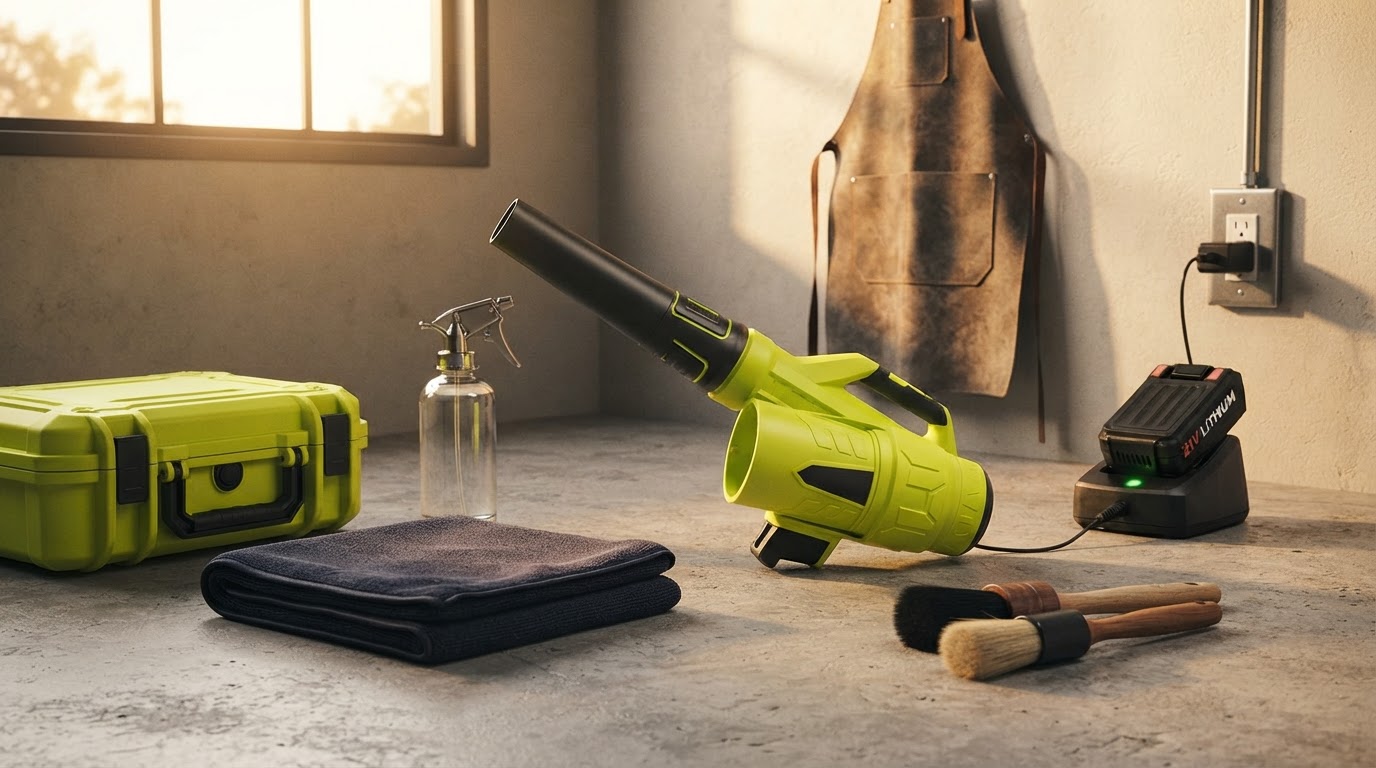
Jet Blower Solutions for Professional Car Drying
 Maya ChenContributing Editor
August 7, 2026. This analysis evaluates the transition from mechanical contact drying to high-velocity airflow using the Jet Blower. It is intended for automotive enthusiasts and professional detailers seeking to eliminate surface friction during the vehicle decontamination process.
The Friction Problem in Modern Detailing
The conventional wisdom says that a high-quality microfiber towel is the safest way to dry a vehicle. However, the physics of physical contact tell a different story. Every time a substrate—no matter how soft—is dragged across a clear coat, the risk of marring and swirl marks increases exponentially. This risk is compounded by trapped particulate matter that washing fails to dislodge. According to Motor Trend in their 2026 air blower testing, the industry is shifting toward precision blowers to mitigate these mechanical risks. Traditional leaf blowers, often repurposed for this task, frequently lack the filtration required to prevent blasting the paint with ambient debris, and they are notoriously cumbersome in tight tolerances like side-mirror housings and lug nut wells. Furthermore, the reliance on large, corded units often limits mobility in a standard two-car garage, creating a trip hazard that contradicts the goal of a controlled environment. The market has attempted to solve this with dedicated stations, such as the JD Jet Dry Car Blower, which Suds Lab notes utilizes a 1.5 HP motor to deliver heated airflow. While heat aids evaporation, the bulk of such units remains a significant barrier for the average consumer who lacks a dedicated detailing bay.
Engineering the Jet Blower for Surface Safety
Photo by Jose Ricardo Barraza Morachis on Pexels
Here's the part nobody talks about: volume of air (CFM) is often less important than the velocity and concentration of that air when dealing with hydrophobic coatings. The Jet Blower addresses this by utilizing a high-speed brushless motor that prioritizes concentrated force over raw volume. This allows the user to physically push water off the surface rather than waiting for it to evaporate, which is the primary cause of water spotting in high-mineral "hard water" areas. Unlike the bulky MetroVac or EGO units often found in professional shops, the Jet Blower utilizes a handheld form factor that allows for ergonomic manipulation around complex aerodynamic features. This is particularly relevant when using a cordless mini jet fan for intricate interior work or a powerful handheld jet fan dryer for the main body panels. The transition to cordless technology has historically been met with skepticism regarding battery life, but the current iteration of the Jet Blower provides sufficient runtime to clear a mid-sized sedan on a single charge. By eliminating the cord, the detailer gains 360-degree access to the vehicle without the risk of the power cable slapping against the wet paint—a common failure point in corded setups. The integration of high-speed turbines allows the jet blower for car drying to reach speeds that effectively clear water from window seals and door jambs that towels simply cannot reach.
Selecting a Dedicated Drying System
Run the math: a standard detailing session involves roughly 30 to 45 minutes of drying time if done manually with towels. A Jet Blower reduces this to under 10 minutes while eliminating the laundry overhead of washing 5-10 large drying towels. When evaluating a unit for your garage, the decision should not be based on peak horsepower alone, but on the balance of weight, nozzle velocity, and filtration. A jet dry blower for cars must be light enough to hold at shoulder height for extended periods without inducing fatigue. If you are comparing it to a powerful handheld jet fan dryer, look for units that offer variable speed triggers to avoid blowing debris out of the garage floor and onto the wet car. I'll change my mind when a microfiber towel can extract water from a recessed brake caliper, but until then, the mechanical advantage lies with forced air.
- Motor Type: Ensure the unit uses a brushless motor for longevity and heat management.
- Battery Compatibility: Verify that the charging interface matches your existing tool ecosystem or provides a universal USB-C option.
- Nozzle Design: A tapered nozzle is essential for increasing air velocity to move standing water.
- Weight Distribution: The center of gravity should sit over the grip to prevent wrist strain.
- Noise Output: High-velocity fans are loud; prioritize units with damped motor housings.
Sources
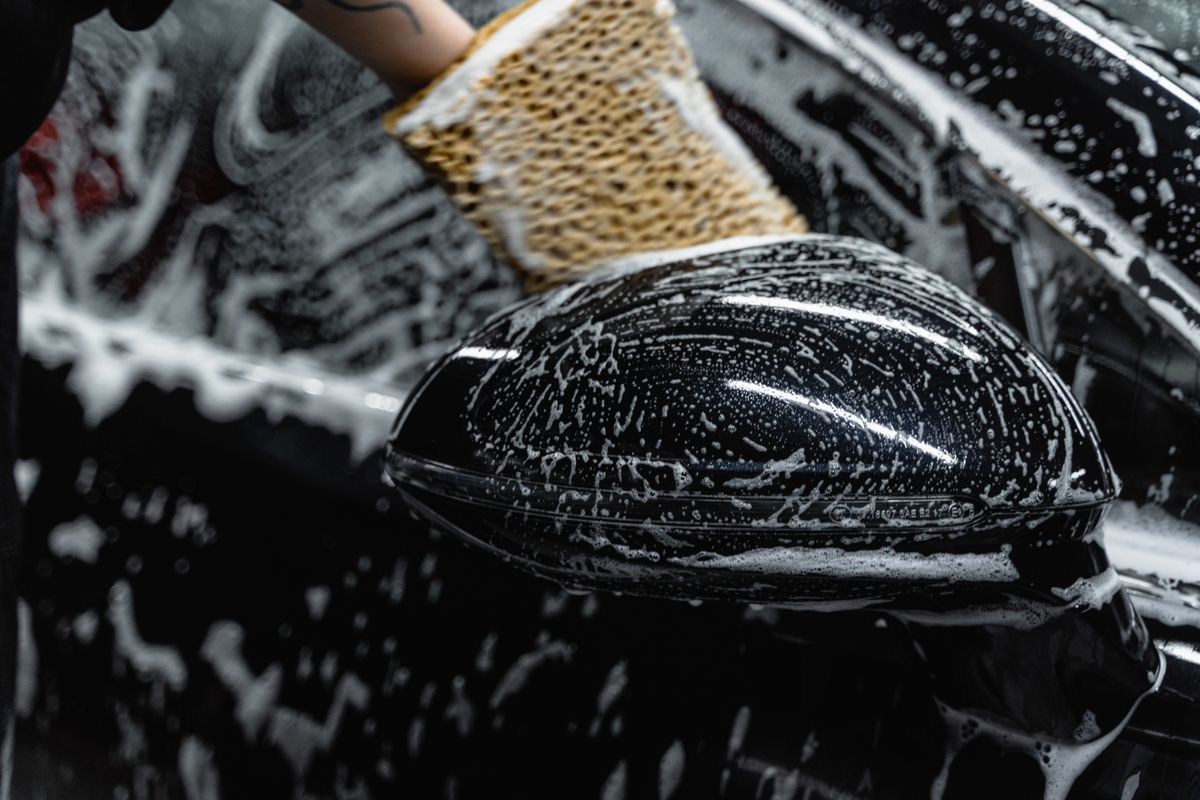
Photo by Tima Miroshnichenko on Pexels
- JD Jet Dry Car Blower, 1.5 HP
- BEST HANDHELD BLOWER FOR DRYING YOUR CAR? Car ...
- MetroVac and BLO Car Dryers | EGO Blowers