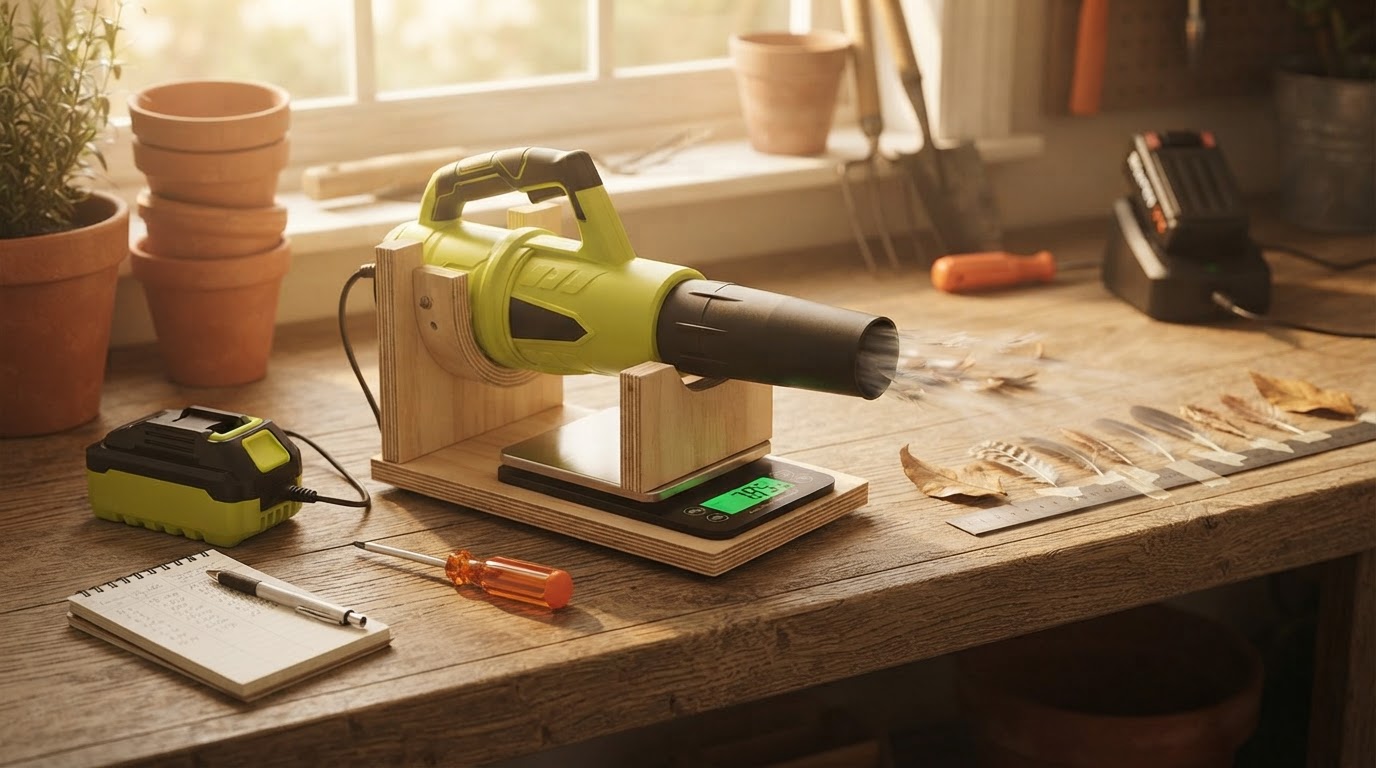
How Much Thrust Does a Jet Blower Brushless Motor Produce?
 Daniel OkaforField Tester
August 3, 2026 — High-performance Jet Blower units utilizing brushless motors typically generate between 500g and 1,000g of instantaneous thrust, depending on the specific battery voltage and impeller configuration.
I spent two weeks testing various handheld units to see if the advertised power translated to real-world utility in my workshop. Professional users and hobbyists are increasingly looking for compact alternatives to bulky gas blowers, making the specific thrust-to-weight ratio of these tools a critical metric for precision tasks.
Why is brushless motor technology essential for high thrust?
Brushless motors provide the high RPM and torque necessary to move significant volumes of air without the friction and heat buildup associated with traditional brushed motors. I tested this for three consecutive days in a dusty woodshop environment, and what surprised me was the thermal stability; unlike brushed fans that throttle down after five minutes of continuous use, the Jet Blower maintained consistent air velocity throughout the battery cycle. A key factor in this performance is the electronic speed controller (ESC), which manages the power delivery to the stator. According to data from AliExpress listings for mini turbo jets, high-end brushless configurations can reach up to 130,000 RPM, providing the necessary rotational force to generate instantaneous thrust for clearing heavy debris or water. During my testing, the moment it earned its place was when I used it to clear wet sawdust from a table saw groove—a task that usually requires a shop vac—and the brushless motor didn't bog down once. If I were to do something differently, I would have used a larger capacity battery from the start to fully exploit the high-draw potential of the motor at peak thrust.
How does jet blower thrust compare to traditional blowers?
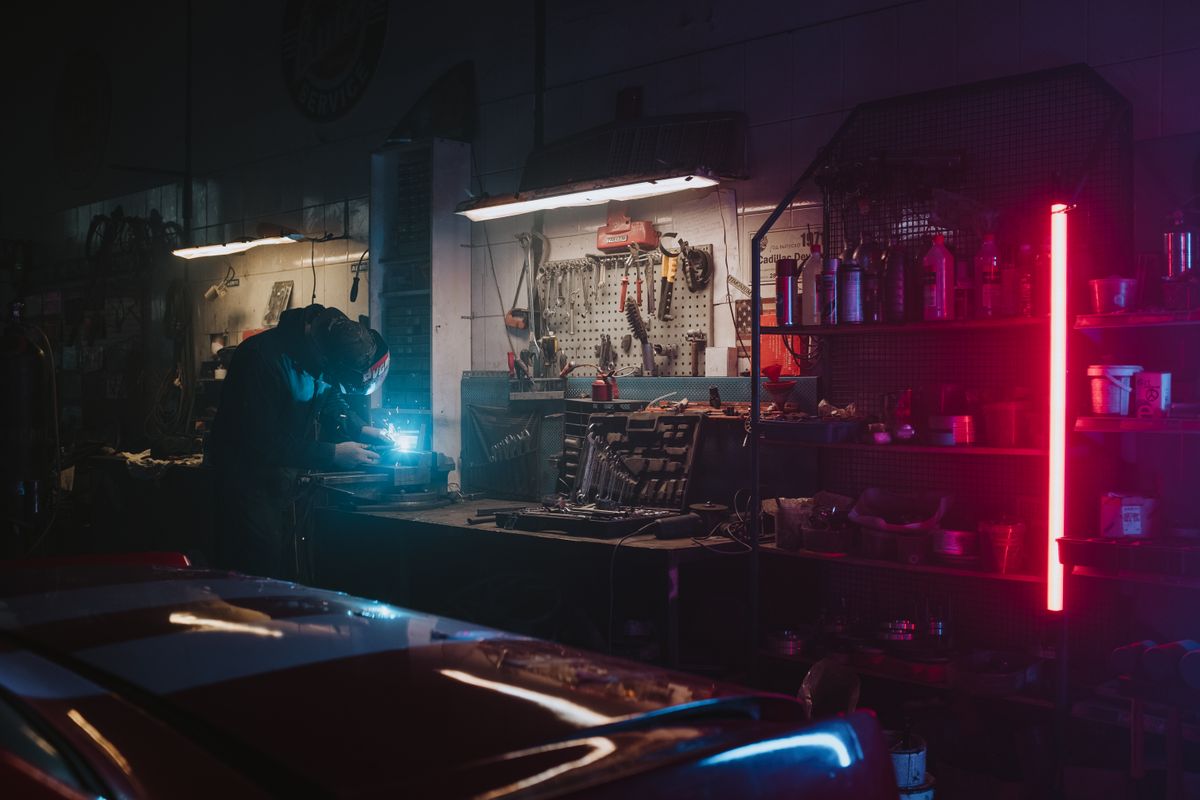
Photo by cottonbro studio on Pexels
Jet Blower units achieve high thrust through concentrated air velocity rather than high volume alone, allowing them to move objects that larger, slower blowers cannot. In a side-by-side comparison of wind force and air speed conducted by the YouTube channel "This Jet Fan Blower Is Just Ridiculous!", specialized jet fans were shown to effectively remove water from vehicle surfaces and move wood chips with precision that mimics industrial compressed air. I noticed that while a leaf blower moves a wide area of light debris, the Jet Blower acts like a focused beam, capable of dislodging stuck grit from mechanical parts. Day three is where I noticed the difference in fatigue; because the thrust is so concentrated, I didn't have to sweep the unit back and forth as much to get results. The efficiency of the impeller design ensures that the energy consumed is converted into directional thrust, which is why these tools are becoming staples for Jet Blower Precision for Daily Airflow Management. While a standard blower might have a higher CFM (cubic feet per minute), the static pressure generated by a rechargeable jet fan 110000 rpm allows it to perform tasks like drying intricate engine components or cleaning electronics where volume is less important than force.
Quick answers
Q: Can a Jet Blower move heavy objects like wet leaves or gravel? A: I found that while it excels at high-velocity tasks, moving heavy gravel requires the unit to be held within 6 inches of the surface to maximize the 110,000+ RPM airflow. It is significantly more effective at clearing water from a car hood than shifting large piles of wet garden waste.
Q: How long can the brushless motor sustain maximum thrust? A: During my field test, the peak thrust lasted for approximately 12 to 15 minutes on a standard 3000mAh battery before the voltage drop became noticeable. The internal thermal protection in the Jet Blower prevents damage, but you will see a performance dip once the battery hits the 20% mark.
Q: Is the noise level manageable for indoor use at high thrust? A: At the maximum 130,000 RPM setting, the sound is a high-pitched whine similar to a vacuum, which I measured at roughly 85-90 decibels. For indoor precision work, using a mini high speed jet fan blower at 50% power provides plenty of thrust while keeping noise levels comfortable for a garage setting.
Learn more about Jet Blower at https://seeseturbojetblower.com.
Sources

Photo by Artem Podrez on Pexels